



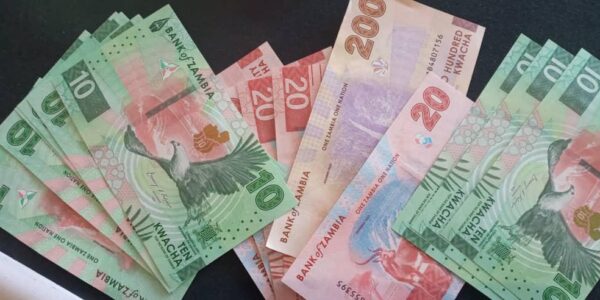
Zambia’s economy is showing clear signs of stabilization as annual inflation dropped to 9.4 percent in January 2026, marking the first time in nearly three years that inflation has fallen below double digits. This milestone comes after sustained improvements in price pressures across both food and non-food categories, with food inflation easing and non-food inflation moderating.
Economists point to two key drivers behind this positive shift: a stronger Zambian kwacha and surging global copper prices. The kwacha, buoyed by increased foreign-currency inflows and central bank measures, has appreciated significantly against the U.S. dollar, helping lower the cost of imported goods and contain inflationary pressures. Meanwhile, elevated copper prices have boosted export receipts and government revenues in the copper-rich Southern African nation.
For everyday households and businesses, the return to single-digit inflation can help ease the cost of living and improve planning certainty. Macroeconomic stability also strengthens the case for potential monetary policy easing, with analysts suggesting that lower inflation could allow the Bank of Zambia to consider lowering interest rates in the near term, a move that may stimulate investment and credit growth across key sectors of the economy.



Leave a Reply