



By John Chola
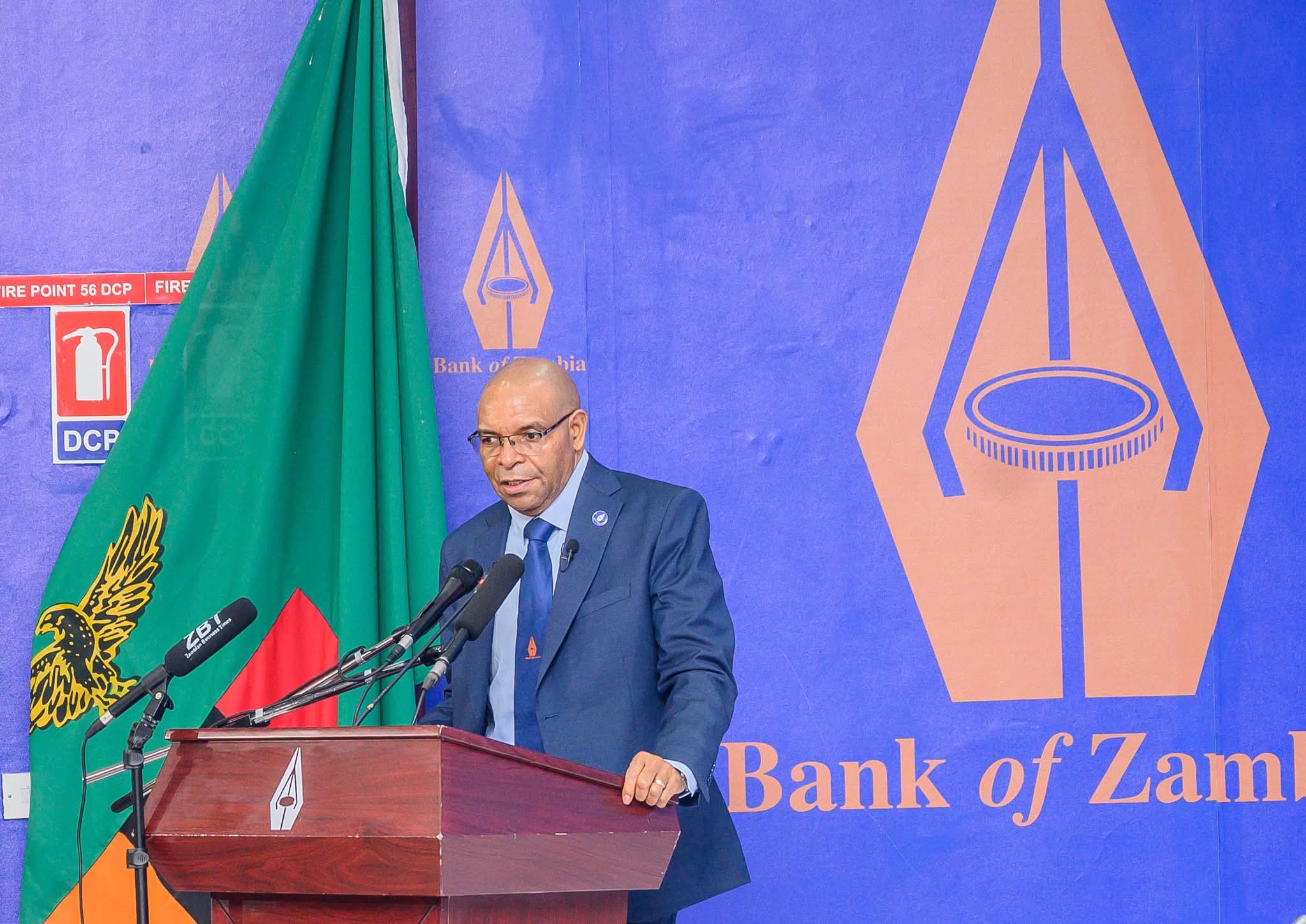
In a move that brings immediate relief to borrowers across the country, the Bank of Zambia has cut its benchmark interest rate by 0.75 percentage points to 13.5 percent – the sharpest reduction in years – following what Governor Dr. Denny Kalyalya calls a “sharp drop” in the cost of living.
For a mother buying mealie meal in Lusaka’s markets or a small business owner servicing a loan, the decision means cheaper borrowing costs and, already, signs that household budgets are stretching further.
Annual inflation fell to 9.4 percent in January, down from 12.3 percent just four months ago.
The key driver? That bumper maize harvest from last season is still filling shops and should keep food prices in check.
“The decline in inflation has largely been driven by the continued impact of the maize bumper harvest and the appreciation of the Kwacha,” Kalyalya said Tuesday.
‘Life is easing’
The stronger Kwacha means imported goods like cooking oil, fertiliser, and vehicle parts are becoming less expensive – relief that economists say is now flowing through to ordinary Zambians.
“Inflation is no longer biting the way it did last year,” said Mary Banda, a market trader in Kamwala. “Mealie meal is stable. Cooking oil is coming down. I think ife is easing.”
The central bank now expects inflation to fall inside its preferred 6-8 percent target range as early as the second quarter of this year – much faster than previously forecast.
By 2026, average inflation is projected at 6.9 percent, dropping further to 6.3 percent in 2027.
What this means for you
For anyone with a bank loan or considering one, today’s rate cut should translate into lower monthly repayments.
Commercial banks typically follow the central bank’s lead, meaning mortgage, car loan, and business lending rates are expected to come down in coming days.
The decision also signals confidence.
Dr. Kalyalya cited higher copper prices, favourable weather, and overall economic stability as reasons Zambia can afford to loosen monetary policy without reigniting inflation.
Risks remain, but optimism grows
The committee noted that risks to the outlook are now tilted to the downside – a positive sign meaning prices are more likely to fall further than spike upwards.
“Favourable weather conditions, supportive external sector conditions reflected in higher copper prices, and continued macroeconomic stability” all point to sustained relief, the Governor said.
The next rate decision is set for May.
For now, the message from the central bank is clear: Zambia’s economic pressures are easing, and households are starting to feel it.


Leave a Reply