



Women’s entrepreneurship is increasingly being recognised as one of the most important drivers of economic growth across Africa, yet access to finance remains one of the biggest barriers to business expansion.
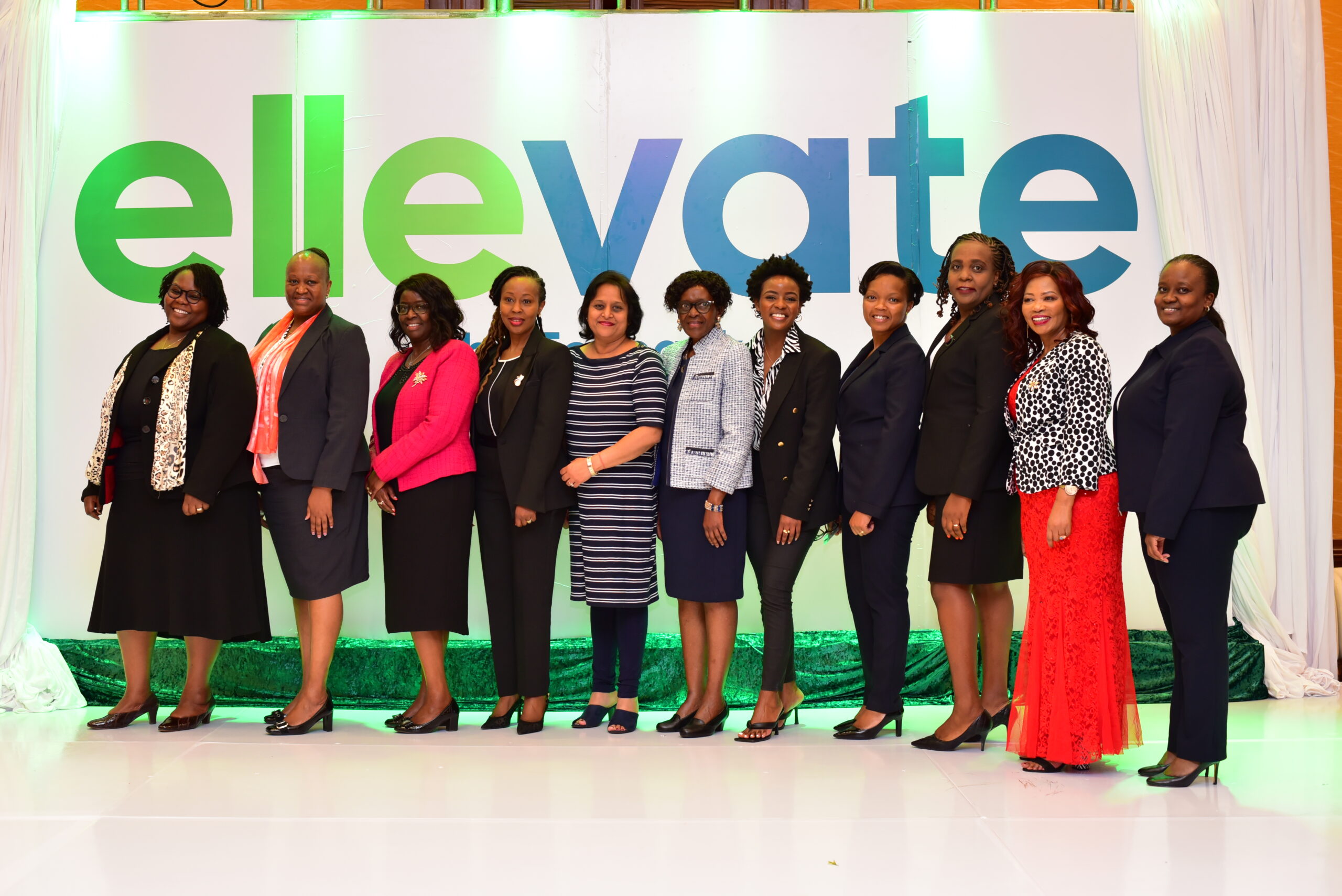
Against this backdrop, Ecobank Zambia has renewed its focus on supporting women-led enterprises through its Ellevate programme, arguing that strengthening female entrepreneurship can unlock broader economic gains for Zambia.
Speaking during a webinar themed “Empowering Women, Empowering Economies,” Ecobank officials said the programme is designed to address the structural barriers that have historically limited women’s access to finance, markets and business development opportunities.
Rather than offering conventional banking products alone, Ellevate combines financing with mentorship, business training, networking opportunities and digital financial solutions tailored to women entrepreneurs.
The bank noted that women continue to make substantial contributions to Zambia’s economy across agriculture, mining, manufacturing, retail, consultancy and other sectors.
However, their participation in the formal economy remains disproportionately low, with limited access to credit, collateral and leadership opportunities constraining business growth. According to Ecobank, addressing these challenges is essential not only for gender equality but also for improving productivity, innovation and job creation.
The initiative forms part of Ecobank’s broader pan-African strategy to support women-owned businesses. Across its network, the Ellevate programme has expanded rapidly, providing financing, capacity-building and market access to more than 103,000 women entrepreneurs while significantly increasing lending to women-led enterprises.
The programme also connects businesses to continental trade opportunities through Ecobank’s Single Market Trade Hub, helping entrepreneurs access customers and suppliers beyond their domestic markets.
Financial experts increasingly argue that closing the gender financing gap could deliver substantial economic returns across Africa. Women-owned businesses consistently demonstrate strong entrepreneurial activity but continue to face challenges securing the capital required to scale operations.
Expanding access to finance, digital tools and professional networks is therefore becoming a commercial opportunity for financial institutions as well as a policy priority for governments seeking inclusive economic growth.
For Zambia, where SMEs form the backbone of the economy, greater support for women entrepreneurs could have far-reaching implications. Increased access to capital can enable businesses to expand production, create employment, participate in regional trade and contribute more significantly to national economic development.
As banks, policymakers and development partners intensify efforts to bridge the financing gap, women-led enterprises are expected to play an increasingly important role in shaping Zambia’s future growth trajectory.




Leave a Reply