



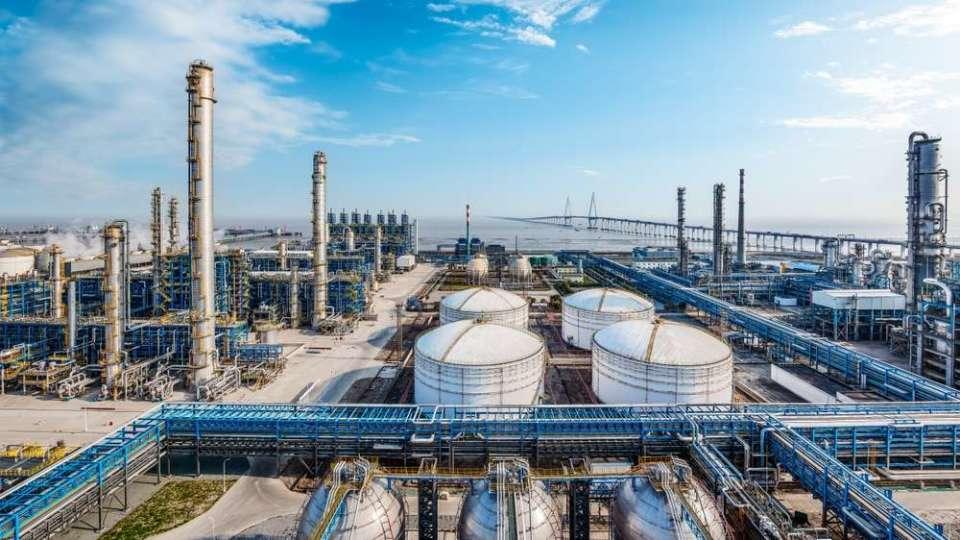
Angola and the Democratic Republic of the Congo have reaffirmed their commitment to jointly developing offshore hydrocarbon resources located within their shared maritime zone, strengthening bilateral cooperation as both countries seek to maximise the economic potential of their petroleum industries. The initiative reflects a broader strategy to enhance regional energy security, attract international investment and improve the management of cross-border natural resources through coordinated exploration and production.
The agreement centres on the continued development of offshore oil and gas reserves situated within the countries’ Common Interest Zone, an area established to facilitate joint management of petroleum resources that extend across maritime boundaries. By adopting a collaborative approach, Angola and the DRC aim to improve operational efficiency, reduce legal and regulatory uncertainty and create a more attractive investment environment for international energy companies seeking opportunities in Africa’s offshore sector.
Angola remains one of Africa’s largest oil producers, while the DRC has been working to expand its hydrocarbons sector as part of a broader strategy to diversify its economy beyond mining. Joint development of offshore resources offers both countries an opportunity to leverage shared expertise, reduce development costs and optimise production from reservoirs that extend across national boundaries. Similar cross-border resource agreements have become increasingly common around the world as governments seek to avoid disputes while maximising the commercial value of shared deposits.
The partnership also comes at a time when Africa’s energy sector is undergoing significant transformation. Although global investment in renewable energy continues to accelerate, demand for oil and natural gas remains strong, particularly in emerging markets. Many African governments argue that hydrocarbons will continue to play an important role in financing economic development, expanding electricity access and supporting industrialisation during the transition to cleaner energy systems.
Analysts believe that coordinated resource management can improve investor confidence by providing greater regulatory certainty and reducing the risks associated with developing offshore assets that span international borders. Stable legal frameworks and strong bilateral cooperation are increasingly viewed as essential factors in attracting the long-term capital required for large-scale offshore energy projects.
Beyond energy production, the collaboration is expected to generate wider economic benefits through employment creation, infrastructure development and increased government revenues. Additional investment in offshore operations could also stimulate growth in supporting industries, including logistics, engineering, marine services and specialised technical training.
For the Democratic Republic of the Congo, strengthening cooperation with Angola represents another step toward building a more diversified natural resource economy. Combined with ongoing investment in mining, critical minerals and regional transport infrastructure, the country’s energy ambitions are becoming an increasingly important component of its long-term development strategy.
As Angola and the DRC deepen their partnership, the joint development of offshore hydrocarbon resources demonstrates how regional cooperation can unlock new economic opportunities while promoting more efficient and sustainable management of Africa’s natural resources. The agreement reinforces the growing importance of cross-border collaboration in shaping the continent’s future energy landscape.
Leave a Reply