



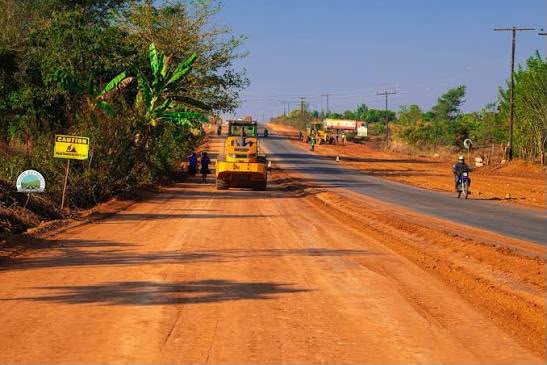
Zambia and the Democratic Republic of Congo are advancing plans for an estimated US$850 million Luapula Corridor, a major cross-border infrastructure project aimed at strengthening trade, transport connectivity and economic integration between the two countries.
Centred around the Luapula River, which forms part of the border between Zambia and the DRC, the proposed corridor could provide a more efficient route for the movement of minerals, industrial goods and other commodities between two of Central Africa’s most important mining economies.
The strategic importance of the project is closely linked to the Copperbelt, where Zambia and the DRC account for significant volumes of copper and other critical minerals. As production expands in both countries, transport infrastructure is becoming increasingly important to the competitiveness of mining operations. A more reliable cross-border route could help address some of the bottlenecks affecting the movement of materials between mines, processing facilities and regional markets.
For the private sector, the potential opportunities extend beyond mining companies themselves. Construction firms, transport operators, logistics providers, warehousing businesses and suppliers could benefit from increased economic activity along the corridor. Improved connectivity could also encourage businesses to establish operations around emerging commercial centres, creating a wider ecosystem of trade and support services.
The Luapula project comes as Zambia and the DRC continue to pursue stronger economic cooperation and improved regional connectivity. Both countries are seeking to expand mineral production while also increasing the efficiency of the infrastructure needed to move those resources to markets. The development of additional trade routes could therefore become increasingly important as competition grows among regional corridors serving the Copperbelt.
The project could also have implications for regional trade beyond the immediate Zambia DRC border. An efficient corridor would provide another connection for commercial traffic and could improve access to markets for businesses operating in both countries. This would support broader efforts to strengthen regional supply chains and make cross-border commerce more predictable.
However, the project’s eventual impact will depend on execution. Financing, construction timelines, border-management arrangements and coordination between the two governments will be critical to determining whether the proposed US$850 million investment delivers the anticipated economic benefits. Large cross-border infrastructure projects can create significant value, but only when the physical infrastructure is matched by efficient customs and border procedures.
If successfully implemented, the Luapula Corridor could become an important addition to Central Africa’s transport network, strengthening the economic relationship between Zambia and the DRC while supporting the continued expansion of mining, logistics and industrial activity across the Copperbelt. For businesses, the project represents more than a road or border connection: it could create a new commercial corridor linking two of Africa’s most strategically important mineral economies.



Leave a Reply