



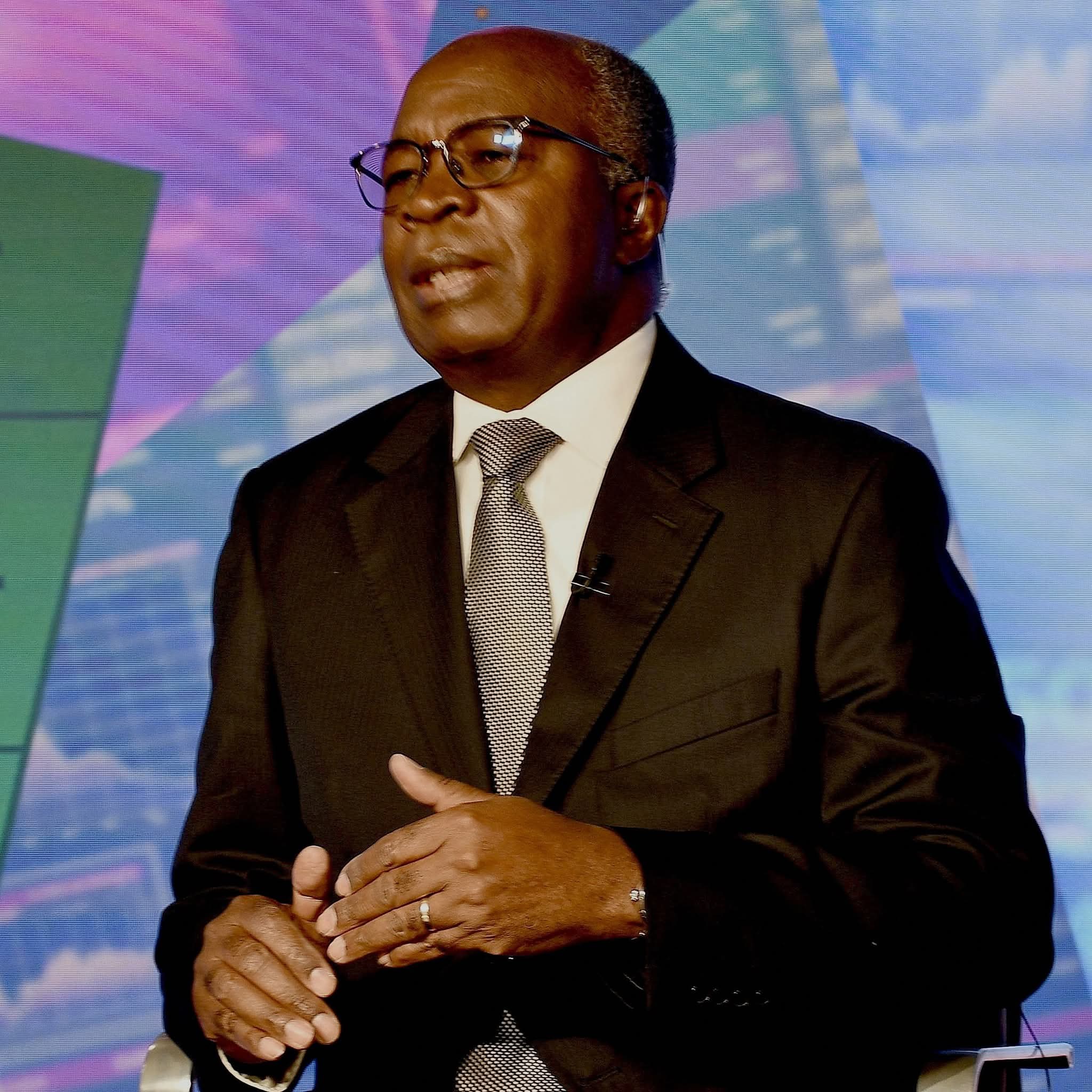
By Derrick Silimina
Finance Minister Situmbeko Musokotwane says Zambia’s economy has shown strong signs of recovery, with growth projected at 5.2 percent from 3.8 percent recorded in 2024.
In a statement, Dr. Musokotwane said the growth was supported by the rebound in agriculture, improved mining output, and continued expansion of the ICT sector.
“In the mining sector, a predictable tax regime, issuance of licenses, and dispute resolution encouraged new investments and the reopening of previously idle mines. In this vein, copper production continued to rise in line with our long‑term goal of achieving three (3) million metric tonnes by 2031,” Dr. Musokotwane said this during the State of the Economy update in Parliament.
He noted that as at end-2025, copper production increased by 7.8 percent to 890,345.79 metric tonnes from 826,000 metric tonnes in 2024, adding that this was mainly due to increased output by major mining houses which included KCM, Mopani, Kansanshi and Lubambe mines.
Dr. Musokotwane outlined that the agriculture sector recovered in the 2024/2025 farming season due to improved rainfall conditions, strengthened extension services, and the full rollout of the E‑Voucher FISP System in all districts.
“We also rehabilitated dams and expanded irrigation to encourage year‑round production. These reforms led to improved food security 3 and stronger production outcomes in the 2024/2025 farming season with a bumper maize harvest of 3.66 million metric tonnes recorded,” he stated.
The Finance Minister further emphasised that key reforms in the energy sector include Electricity Open Access Framework, Net Metering Policy Framework and the Energy Single Licensing System.
He stressed that with these interventions, the private sector has been actively participating in the energy sector. This includes generation, distribution, importation and export of electricity. The reforms have increased the installed electricity generation capacity of the country and resulted in improved electricity supply.
“Consequently, electricity generation increased by 7.8 percent to 14.36 million megawatt hours (MWh) in 2025 from 13.32 million megawatt hours in 2024. An additional generation totaling 149,761 MWh from solar and thermal projects was recorded in 2025,” Dr. Musokotwane noted.
In terms of the country’s monetary policy, he further explained that the country has continued to focus on containing inflationary pressures and anchoring inflation expectations adding that by the end of 2025, inflation had moderated to 11.2 percent from an average of 15.0 percent recorded in 2024, reflecting improved food supply, stabilisation of the Kwacha, and lower energy‑related pressures.
“In January 2026, inflation returned to single digit for the first time since early 2024 with the annual rate dropping to 9.4 percent. In foreign exchange market, the Kwacha appreciated by 21.07 percent against the US dollar from December 2024 to December 2025 to a monthly average exchange rate of K22.13/US$ in December, 2025. The Kwacha had further appreciated by more than 10 percent against the US Dollar trading at about K18.8/US$.”


Leave a Reply