



By John Chola
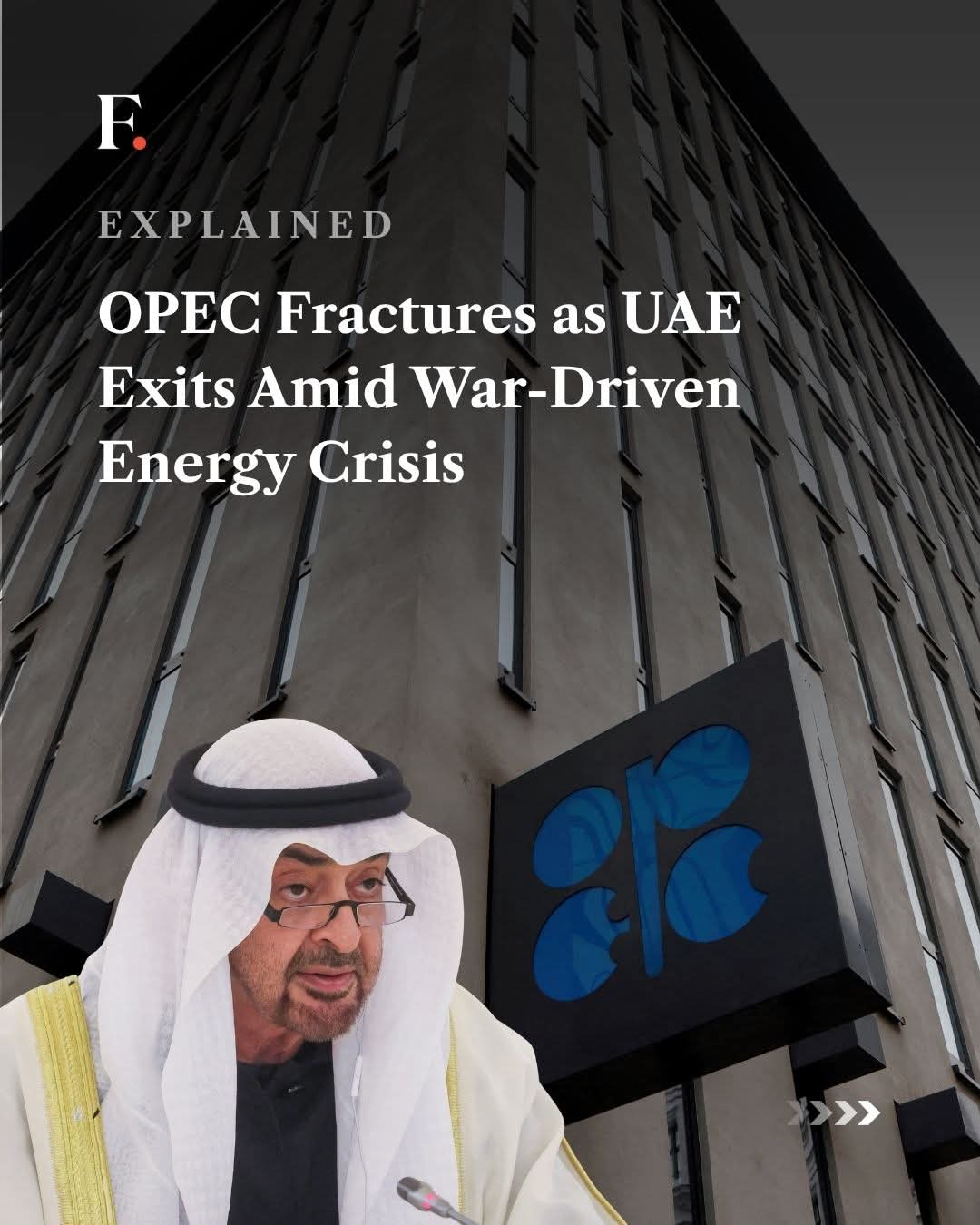
In a decisive decision that reshapes global energy politics, the United Arab Emirates has formally announced its withdrawal from the Organization of the Petroleum Exporting Countries (OPEC) and the wider OPEC+ alliance, effective May 1, 2026, multiple major news outlets have confirmed.
The move, which follows nearly six decades of membership dating back to before the UAE became a sovereign nation in 1971 marks a seismic rupture in the Saudi-led cartel.
Citing long-standing tensions over production quotas and a strategic desire to pump freely, Abu Dhabi will walk away from the bloc that has long disciplined global oil supply.
Central to the decision is a capacity-versus-quota dispute.
The UAE currently possesses a production capacity of 4.8 million barrels per day but has been restricted to roughly 3.4 million under OPEC+ agreements.
Upon departure, the Gulf nation intends to ramp up output gradually, potentially increasing global supply and exerting downward pressure on crude prices.
“The UAE’s strategic objectives have diverged irreconcilably from the collective decisions of the organization,” a senior Emirati energy official said, speaking on condition of anonymity. “We will secure our own export routes and production future.”
Geopolitical factors also weigh heavily. Regional tensions, particularly with Iran, have prompted Abu Dhabi to prioritise the security of its maritime export lanes.
The withdrawal is seen by analysts as both an economic and security realignment.
Industry observers warn the exit delivers a major blow to OPEC’s unity and its ability to manage price volatility.
While UAE officials emphasise a gradual production increase, energy markets are bracing for heightened volatility in the long term, as the cartel’s remaining members, led by Saudi Arabia, face diminished leverage over global crude flows.

Leave a Reply