



By Martin Musunka Jr
There are moments in business that feel larger than the event itself.
The pre-launch breakfast held ahead of the groundbreaking of the Mingomba Mine Project groundbreaking ceremony was one of those moments.
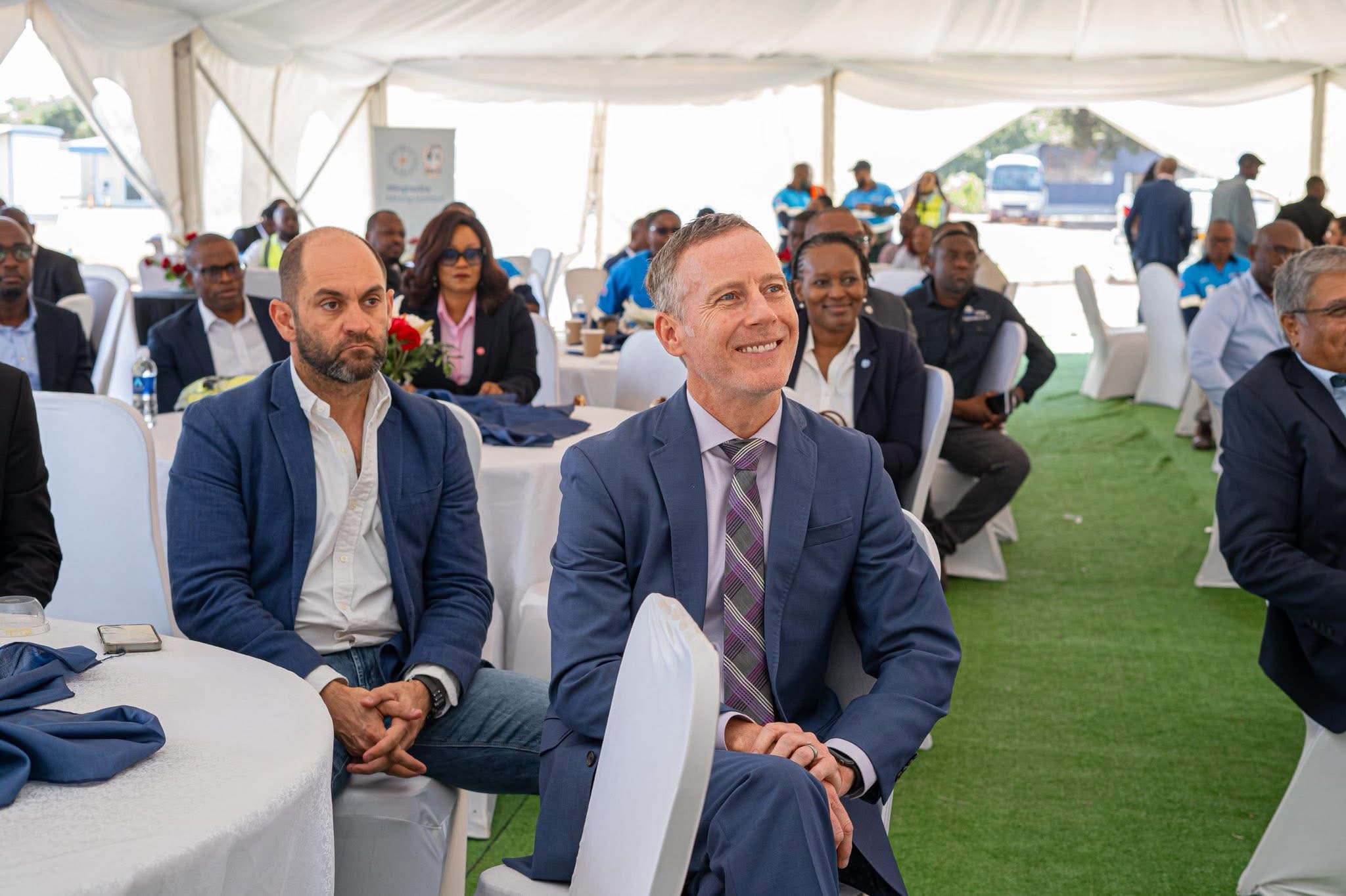
The room was full long before the program began. Executives from banking, insurance, law, mining, construction, logistics, and professional services moved through the venue with the quiet confidence of people who understand where the future is being written. There were no campaign slogans, no political chants, and no theatrical displays of authority. Yet the concentration of influence in that room was unmistakable.
That morning forced me to reconsider what power really means.
For many people, power is synonymous with politics. We often think of it as public office, titles, and visible authority. But in business, power reveals itself differently. Power is access. It is the ability to enter rooms where capital is allocated, partnerships are formed, and the next decade of economic activity is discussed before the headlines are written.
And this was one of those rooms.
The timing could not have been more significant. Just hours later, President Hakainde Hichilema would officially launch the Mingomba project in Chililabombwe, describing the US$2.2 billion investment as a new chapter in Zambia’s mining story. The project is expected to strengthen Zambia’s ambition to reclaim its place among the world’s leading copper producers, with substantial benefits for jobs, local content, and technology transfer.
Yet before the first shaft was sunk, another kind of foundation was being laid over breakfast.
The most powerful conversations were not loud. They were measured and deliberate. One table discussed financing structures. Another explored insurance and risk mitigation. Across the room, contractors exchanged ideas on procurement opportunities, while legal minds examined governance and compliance frameworks.
These were potent conversations. Not because they were dramatic, but because they were consequential.
At the summit of business, competition still exists, but collaboration dominates. The higher one climbs, the clearer it becomes that enduring success is rarely achieved alone. Banks need miners. Miners need insurers. Insurers need lawyers. Lawyers need contractors. Contractors need financiers. And every institution needs the media.
Why?
Because media is the bridge between enterprise and public perception. It shapes reputations, builds trust, amplifies milestones, attracts investors, informs communities, and turns corporate achievements into national narratives. A mine may produce copper, a bank may unlock capital, and an insurer may mitigate risk, but media gives these efforts visibility, credibility, and meaning. It ensures that innovation is recognized, opportunities are understood, and strategic partnerships are seen by the people who matter most.
Every major enterprise is an ecosystem.
This is a principle that Dale Carnegie understood well: relationships are among the most valuable assets any person can build.
That philosophy was on full display.
Among the men who commanded attention was Michael Kroupnik, Managing Director of Micmar, a company that has grown from a family hardware business into one of Zambia’s most recognized suppliers of building materials, with operations extending into real estate and mining support. Under his leadership, Micmar has expanded into a national brand with multiple branches and tens of thousands of products serving Zambia’s construction and industrial sectors.
Also present was Maybin Mudenda, Executive Chairman of Insizwe Private Brokers Limited. Known primarily for insurance and risk advisory, his business interests extend into property development, agriculture, and strategic investments, illustrating how modern influence is built through diversification and disciplined capital deployment.
Then there was Mizinga Melu, one of Zambia’s most respected banking leaders and a continental voice on inclusive finance and leadership. Her presence underscored the importance of institutions that provide not just capital, but confidence.
Among the women whose presence elevated the room was Mukwandi Chibesakunda, Chief Executive Officer of Zanaco. Under her leadership, Zambia’s largest indigenous bank reported K2 billion in profit after tax for 2025, further consolidating its position as a market leader. She has been recognized as Zambia’s Bank CEO of the Year in both 2023 and 2024 and was named African Banker of the Year in 2024.
Watching these leaders interact, one truth became impossible to ignore: the real economy is built through relationships of trust.
At the lower levels of business, many people compete over limited opportunities. Scarcity thinking can create an environment where collaboration is difficult and advancement is viewed as a zero-sum game. But at the highest levels, accomplished leaders understand that another person’s success often expands the possibilities for everyone.
The bottom is crowded because many people focus on proving themselves.
The top is more spacious because established leaders focus on creating value together.
That is what made this breakfast extraordinary.
If the breakfast itself wasn’t enough, the icing on the cake was the presentation delivered by Mfikeyi Makayi, Africa CEO of KoBold Metals.
Her remarks were among the most compelling of the morning.
She explained that the drilling conducted over the past three years had generated more insight than had been achieved in the previous fifty years of exploration in the area. That statement alone captured the extraordinary pace at which technology is reshaping the mining industry.
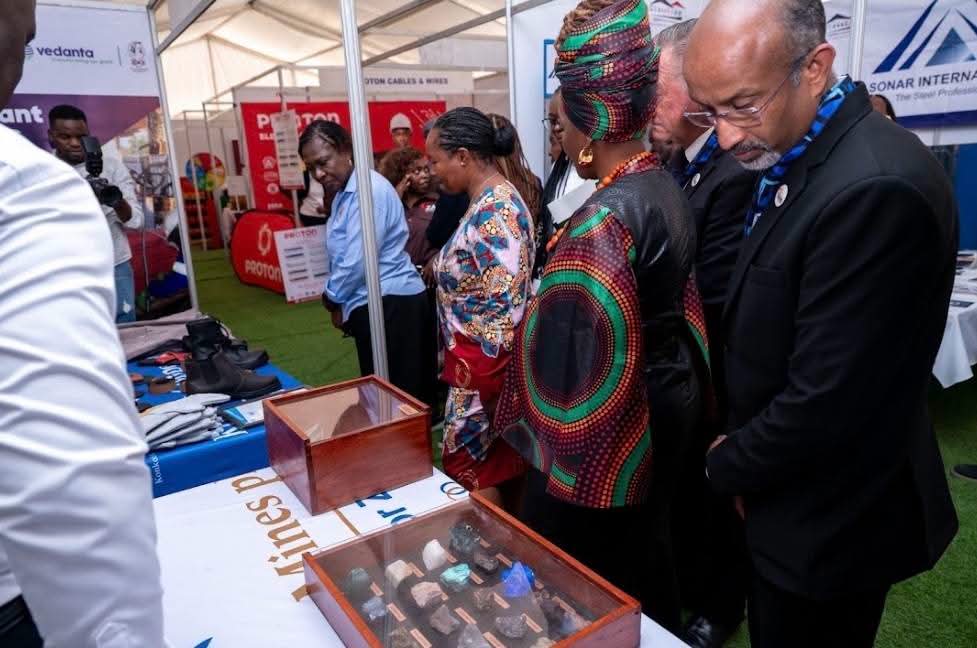
Makayi described how Mingomba sits within the highly prospective Konkola belt, the same geological trend that hosts Lubambe and Konkola Copper Mines.
She spoke about the company’s use of artificial intelligence to accelerate mineral discovery and optimize mine development, evidence that Zambia is not simply participating in the future of mining but helping define it.
Most importantly, she made a firm commitment to local content.
She emphasized that Zambian contractors would have meaningful opportunities to participate in the project and cited dust suppression works already being carried out by a Zambian contractor as a practical example of that commitment. KoBold’s Zambian operation is led by local talent, with the company highlighting that its Zambia team is overwhelmingly composed of Zambian nationals.
For many in the room, this was exactly what they wanted to hear.
Not rhetoric.
Opportunity.
It was not simply about coffee and introductions. It was a convergence of decision-makers, visionaries, and builders who recognize that Zambia stands at the center of a global copper story. Mingomba is more than a mine. It is a signal that international capital sees Zambia as a strategic destination for the minerals that will power electric vehicles, data centers, renewable energy systems, and the broader global transition.
And whenever capital moves at this scale, the people who gather around it matter just as much as the project itself.
As I looked around the room, I understood that influence is often understated. It sits quietly over breakfast, in thoughtful conversations, in exchanged cards, in handshakes that become partnerships.
Power, in its most practical form, is not about being the loudest person in the room.
It is about earning access to rooms where the future is being designed.
On that morning, before the first excavator touched the ground in Chililabombwe, the future of Zambia’s next great mining story was already being discussed over breakfast.
Leave a Reply