



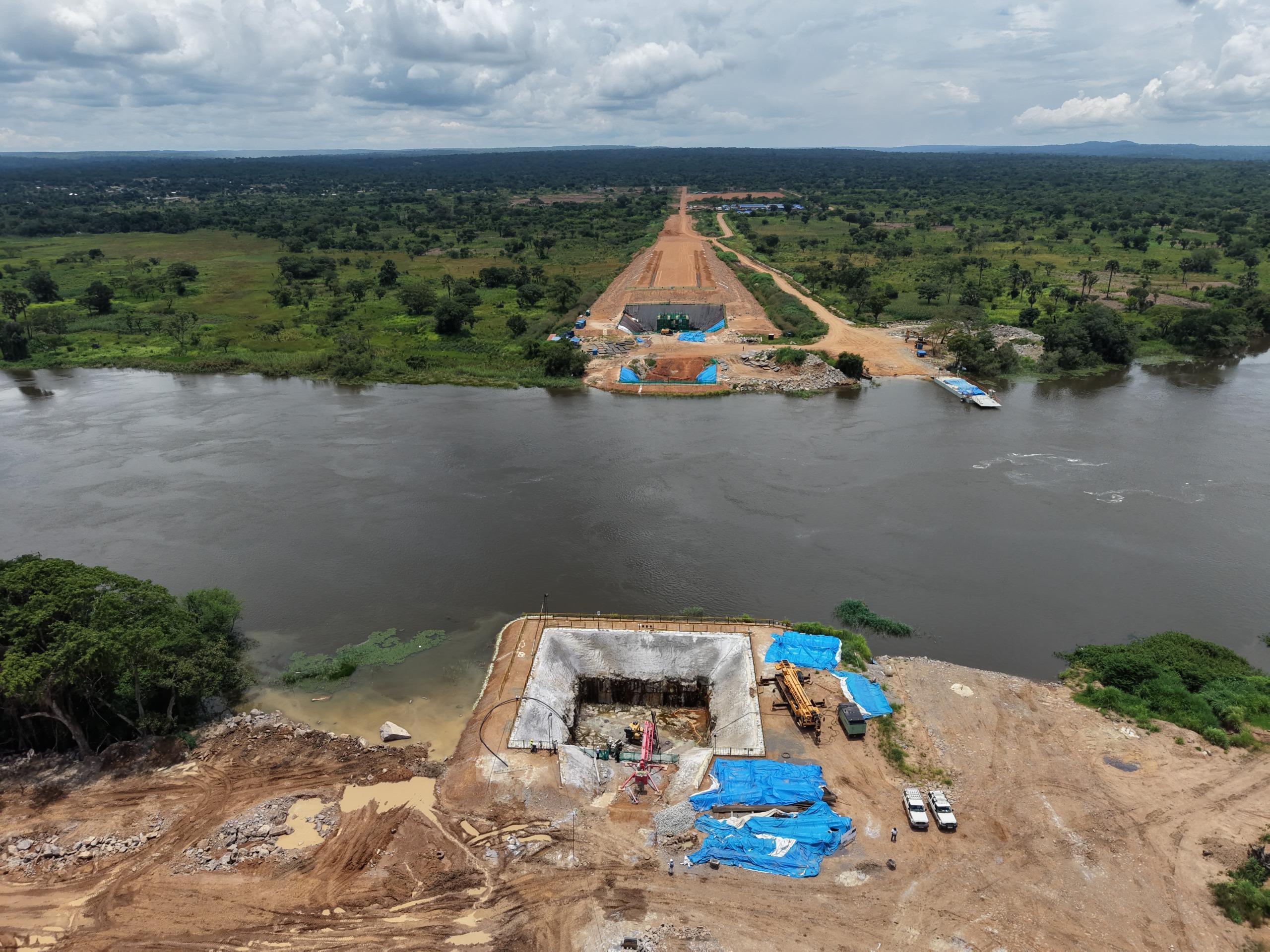
A transformative cross-border infrastructure project linking Zambia and the Democratic Republic of the Congo is moving steadily towards its planned 2027 opening, with the Kasomeno–Kasenga–Chalwe Corridor expected to reshape trade, logistics and mineral exports across Central and Southern Africa. Designed as an alternative to the heavily congested Kasumbalesa border crossing, the corridor is expected to improve the movement of freight while supporting economic integration between two of Africa’s largest mining economies.
The project comprises approximately 182 kilometres of new and upgraded roads, a 362-metre cable-stayed bridge spanning the Luapula River, a modern one-stop border post, tolling infrastructure and supporting logistics facilities. Developed under a public-private partnership concession awarded to GED Africa, the corridor is intended to create a faster, more reliable transport route between Zambia’s Copperbelt and the mineral-rich Haut Katanga Province in the DRC.
The new route is expected to ease pressure on the Kasumbalesa border, one of the busiest freight crossings in Africa, where long queues regularly delay trucks carrying copper, cobalt, agricultural products and manufactured goods. By reducing border congestion and shortening transit times, the corridor is expected to lower transport costs, improve supply chain efficiency and enhance the competitiveness of exporters operating throughout the region.
The project carries particular importance for Zambia and the Democratic Republic of the Congo, which together account for a substantial share of global copper and cobalt production. As worldwide demand for critical minerals continues to rise, driven by electric vehicles, renewable energy technologies and artificial intelligence infrastructure, efficient transport corridors are becoming increasingly important in ensuring reliable access to international markets.
Beyond mining, the corridor is expected to stimulate broader economic development by improving connectivity for agriculture, manufacturing, tourism and cross-border commerce. Faster transport links are likely to encourage investment in industrial parks, warehousing, logistics centres and value addition industries while creating employment opportunities during both construction and operation.
The Kasomeno–Kasenga–Chalwe Corridor also complements a broader wave of regional infrastructure investment that includes the Lobito Corridor railway, upgrades to Zambia’s road network and expanded border modernisation initiatives. Together, these projects are positioning Zambia as a strategic transport and logistics hub connecting Southern, Central and Eastern Africa while supporting implementation of the African Continental Free Trade Area.
As construction advances towards completion, the 2027 opening is expected to mark a significant milestone in regional integration. For mining companies, exporters and investors, the new corridor promises reduced logistics costs, improved trade efficiency and stronger connectivity across one of the world’s most important critical mineral-producing regions.


Leave a Reply