



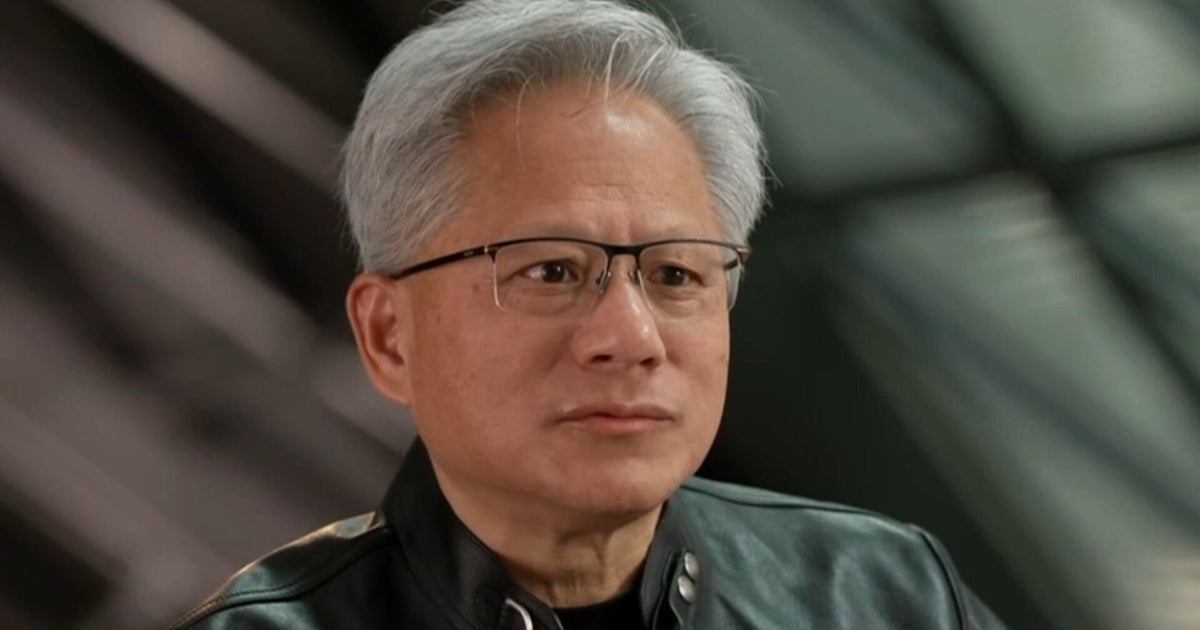
In an interview with CBS News, Huang said he believes some leaders of frontier AI companies are being disingenuous when they call for additional government oversight. Rather than simply seeking stronger laws, he suggested, some may be seeking changes to existing regulations that could serve their own interests. He did not identify specific companies or explain what those interests might be.
Huang has been consistently critical of what he considers excessive pessimism about artificial intelligence. He has rejected predictions that AI could bring about the end of humanity or destroy large portions of the labour market, arguing that such claims are not grounded sufficiently in science. His position puts him at odds with executives and researchers who believe the rapid development of increasingly capable AI systems requires stronger safeguards.
The disagreement is particularly important because the companies involved have enormous commercial stakes in the direction of the technology. Nvidia has become a central supplier of the advanced computing chips required to train and operate modern AI systems, while companies such as OpenAI and Anthropic are developing some of the industry’s most advanced models. Continued investment in AI infrastructure therefore has direct implications for Nvidia’s business and for the wider technology supply chain.
The regulatory debate has intensified as AI companies move from experimental systems into technologies being deployed across businesses, governments and consumer products. Anthropic CEO Dario Amodei recently proposed measures intended to strengthen safeguards around frontier AI, while other industry leaders have similarly called for governments to address potential risks before the technology advances further.
Huang’s argument is that policymakers should be careful not to allow extreme scenarios to determine the future of an industry that could deliver substantial economic benefits. His broader position is that excessive regulation could slow technological adoption and weaken competition, particularly at a time when the United States and China are competing for leadership in artificial intelligence.
There is also a growing commercial dimension to the debate. Axios reported earlier this month that Huang had questioned whether heightened fears around AI and cybersecurity could themselves help create demand for products and services designed to address those fears. At the same time, the publication noted that Huang has a clear commercial interest in continued AI expansion, given Nvidia’s position as a major supplier to the industry.
That does not by itself establish that warnings from other AI executives are commercially motivated. But it illustrates the complexity of the debate. Companies developing AI, supplying its infrastructure and building products around its risks all have different commercial interests, even when they agree that the technology requires safeguards.
For governments and businesses, the central question is therefore becoming less about whether AI will transform the economy and more about how that transformation should be governed. The competing arguments from Huang and other technology leaders show that the fight over AI regulation is also a fight over investment, market access, technological leadership and who gets to define the acceptable boundaries of the next generation of computing.
As artificial intelligence becomes a larger part of the global economy, the disagreement between its strongest optimists and its most prominent risk advocates is unlikely to disappear. What is increasingly clear is that the rules governing AI will have consequences far beyond Silicon Valley.


Leave a Reply