



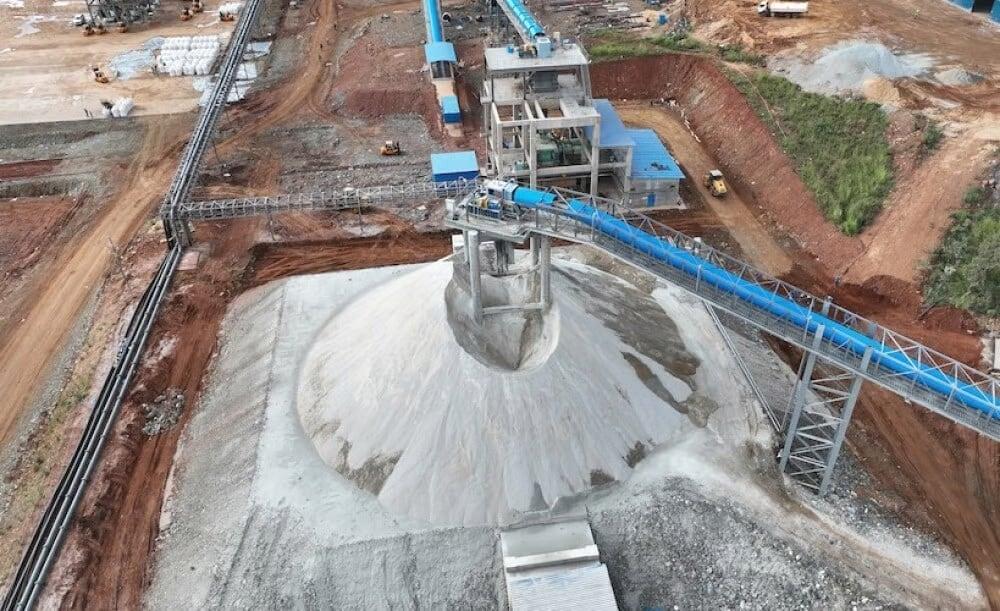
Zimbabwe has confirmed it will proceed with its planned January 2027 ban on lithium concentrate exports, rejecting calls from mining companies for a delay despite concerns over limited domestic processing capacity. The decision underscores the government’s commitment to transforming the country from a supplier of raw minerals into a producer of higher-value lithium products, as global demand for battery materials continues to rise.
Africa’s largest lithium producer has become one of the continent’s most closely watched mining markets following more than US$2 billion in investment by Chinese companies since 2021. Those investments have expanded lithium mining operations and funded the construction of processing facilities, positioning Zimbabwe as a strategic player in the global battery supply chain. However, while several refineries are under development, only one lithium sulphate plant is currently operational, creating concerns about whether the industry can fully comply with the export ban when it takes effect.
Mining companies have argued that additional time is needed to complete processing plants and avoid disruptions to production and exports. Industry representatives have warned that some projects are unlikely to be commissioned before January 2027, potentially limiting the ability of producers to process concentrates domestically. Prospect Lithium Zimbabwe, which operates the country’s only lithium sulphate plant, has also confirmed that its current facility is fully committed to processing its own production and does not have capacity to handle concentrates from other miners.
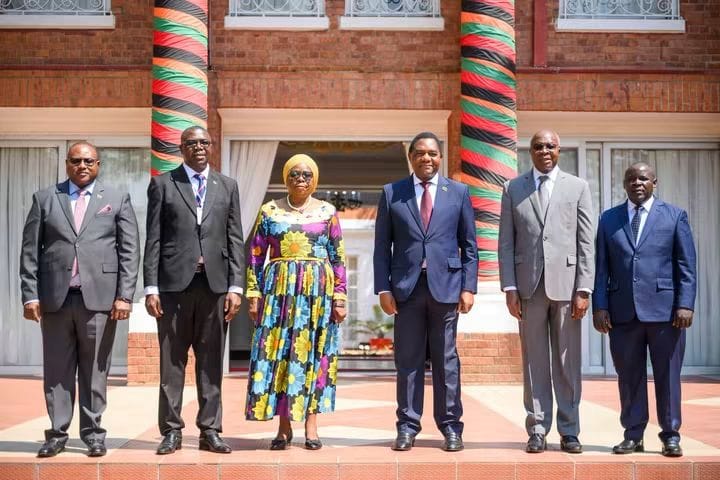
Despite these challenges, Mines Minister Polite Kambamura has reiterated that the government has no plans to postpone the deadline. Authorities believe the policy will encourage faster investment in mineral beneficiation, increase export revenues through higher-value products and create skilled employment within Zimbabwe. The strategy forms part of a broader effort to ensure the country retains a larger share of the economic benefits generated by its critical mineral resources.
Zimbabwe’s approach reflects a wider shift taking place across Africa as governments seek to maximise returns from the continent’s growing importance in global critical mineral supply chains. Countries including Zambia, the Democratic Republic of the Congo and Namibia are also promoting policies that encourage local processing, refining and manufacturing to capture greater value from copper, cobalt, lithium and other minerals essential to the clean energy transition. This move is increasingly viewed as a pathway toward industrialisation rather than continued dependence on raw commodity exports.
For investors, the policy presents both opportunities and challenges. While local processing requirements may increase capital investment and operational costs in the short term, they also create opportunities to develop integrated battery material industries capable of supplying rapidly expanding global markets. Success will ultimately depend on whether Zimbabwe can complete the necessary processing infrastructure while maintaining investor confidence and ensuring its mining sector remains competitive.
As demand for lithium continues to accelerate with the growth of electric vehicles, battery storage systems and artificial intelligence infrastructure, Zimbabwe’s decision could become a defining case study for resource-rich nations seeking to move beyond mineral extraction and establish themselves as industrial players in the global battery economy.

Leave a Reply