



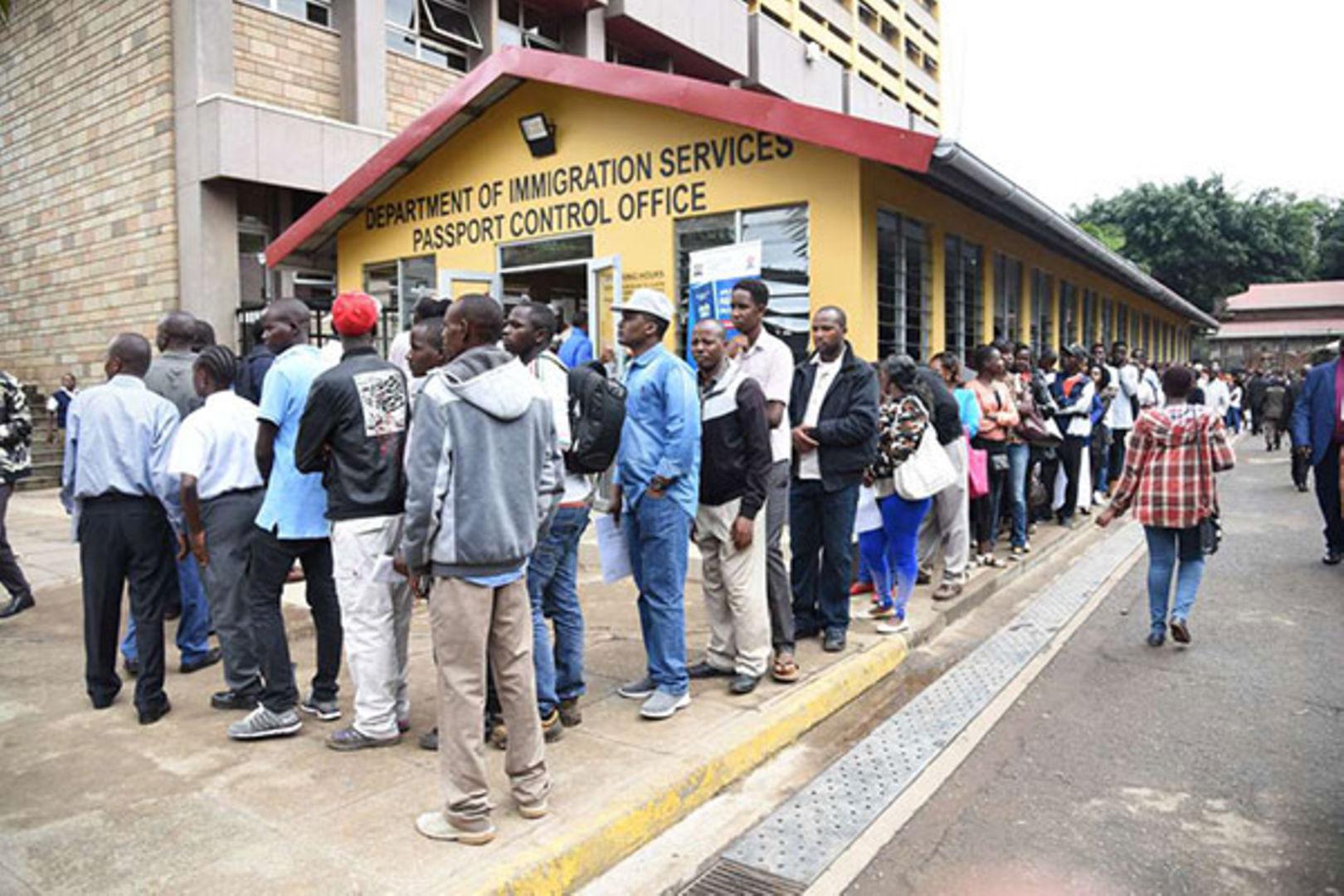
Kenya has opened a 90 day window for undocumented East African nationals to regularise their status, attempting to calm tensions after a government crackdown on foreign operated small businesses triggered anxiety among immigrant communities.
The move follows President William Ruto’s directive for authorities to close small scale businesses operated by foreign traders without the necessary work permits. The announcement generated particular concern among Burundians in Nairobi, hundreds of whom turned to their embassy for travel documents amid fears that they could be forced to leave the country.
Kenya’s government has sought to distinguish the enforcement campaign from an attack on foreigners. Presidential officials have said registered foreign workers will continue to enjoy their legal rights and that undocumented nationals will be given time to regularise their position. The government has also declared zero tolerance for harassment, intimidation and xenophobia, while urging undocumented East Africans to register with their respective embassies.
The stakes are particularly high because foreign nationals are deeply embedded in Kenya’s informal economy. Around 16,000 Burundian refugees and asylum seekers are estimated to be in Kenya, with many involved in small scale businesses in Nairobi, including the sale of coffee and second hand clothing. For some of these traders, the government’s new policy creates uncertainty over whether regularisation will provide a genuine pathway to continue operating or simply delay eventual restrictions.
At the heart of the dispute is a broader economic question. Kenya’s local traders have been protesting over tax reforms and competition, while the government is under pressure to demonstrate that economic opportunities are reaching Kenyan citizens. Restricting foreign participation in certain areas of small scale commerce can respond to that political pressure, but it also risks creating friction with the principles of regional economic integration that underpin the East African Community.
The situation is also a reminder of how closely migration and commerce are connected in East Africa. Traders cross borders because customers, supply chains and economic opportunities do not stop at national boundaries. Policies designed to protect domestic businesses therefore have consequences beyond immigration enforcement, potentially affecting regional trade and the livelihoods of people whose economic activities depend on mobility.
For Kenya, the 90 day period now creates an opportunity to bring undocumented residents into a more transparent regulatory framework while addressing legitimate concerns about permits, taxation and competition. But the credibility of the policy will depend heavily on how it is implemented and whether enforcement is accompanied by clear rules rather than fear.
The episode ultimately raises a much bigger question for East Africa: can countries protect domestic economic interests without undermining the regional integration that is supposed to make borders less restrictive for trade and economic activity? Kenya’s next 90 days could provide an important indication of where that balance is heading.ᐧ


Leave a Reply