




Mali has intensified efforts to reform its mining sector by establishing a new state agency to regulate artisanal gold mining after authorities uncovered evidence that between $2 billion and $3.8 billion worth of gold is leaving the country each year without being officially declared.
The creation of the Malian Office of Precious Substances marks another major step in the government’s campaign to tighten oversight of one of Africa’s largest gold industries and maximise returns from its most valuable export.
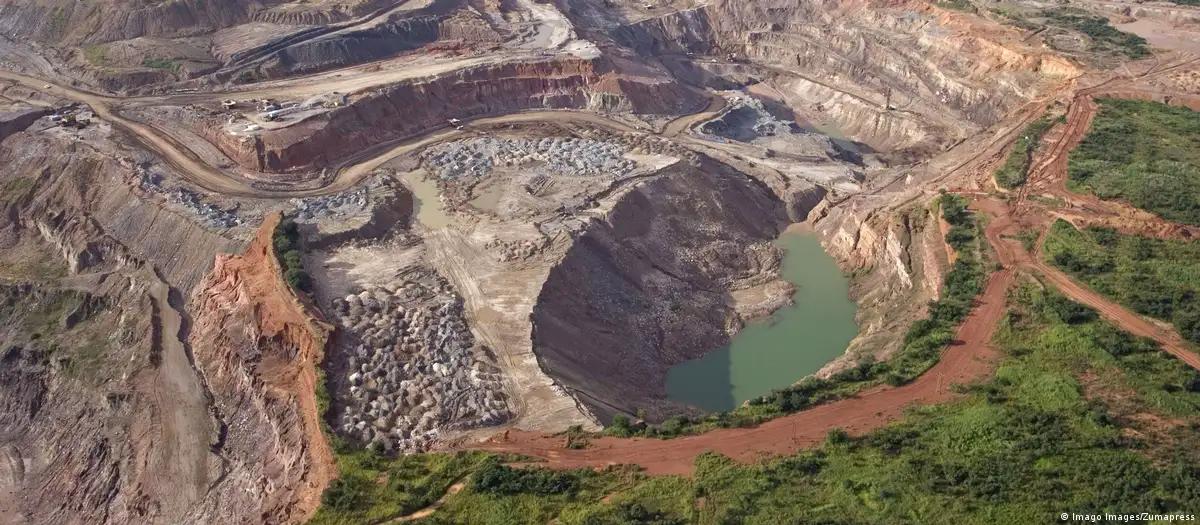
According to government estimates, artisanal mining employs nearly two million people across between 350 and 400 mining sites, making it a vital source of livelihoods and economic activity.
However, a significant share of production has historically bypassed official export channels, depriving the government of tax revenues and foreign exchange earnings.
A 2024 report by SWISSAID estimated that between 30 and 57 tonnes of Malian gold are smuggled abroad annually, representing up to $3.77 billion in undeclared trade.
The new regulator will centralise oversight of gold and other precious minerals produced by artisanal and small-scale miners. Authorities expect the agency to improve traceability, formalise informal mining operations and reduce illegal exports that have long undermined public finances.
The initiative complements Mali’s wider mining reform programme introduced under the 2023 Mining Code, which has strengthened state participation in mining projects, increased taxes on operators and enhanced regulatory oversight.
The reforms have already had a significant impact. Government audits have recovered approximately 761 billion CFA francs, equivalent to around $1.2 billion, in unpaid revenues from mining companies. Mali has also renegotiated agreements with several international miners as it seeks a larger share of the wealth generated by its abundant mineral resources.
Mali’s latest move reflects a broader continental shift toward resource nationalism. Across Africa, governments are reviewing mining laws, increasing local ownership requirements and promoting domestic mineral processing to retain greater economic value.
In neighbouring Burkina Faso, authorities have expanded state ownership of gold assets, while Guinea is investing in refining capacity and restricting raw gold exports to encourage local value addition.
For investors, these developments present both opportunities and challenges. While stronger regulation can improve transparency and increase government revenues, changing fiscal regimes and greater state involvement may also alter investment dynamics.
Companies operating in Africa’s mining sector are increasingly being required to balance commercial objectives with evolving national policies aimed at ensuring mineral wealth delivers greater benefits to host economies.
As global gold prices remain elevated and demand for precious metals continues to grow, the competition among African producers is shifting beyond extraction toward capturing more value through regulation, refining and local participation. Mali’s latest reforms suggest that controlling the gold value chain is becoming just as important as producing the metal itself.

Leave a Reply