



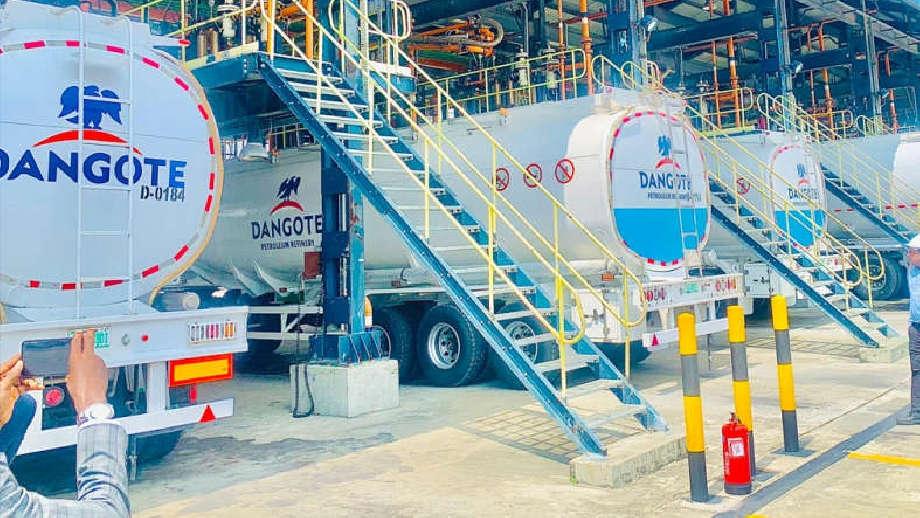
The refinery has simultaneously announced a new ex-depot petrol price of ₦1,215 per litre, replacing the previous rate of ₦1,075 per litre. Although the return to naira pricing removes the immediate need for marketers to source foreign currency to purchase fuel, the higher wholesale price is expected to influence retail pump prices in the coming weeks, depending on transportation costs, distribution margins and broader market dynamics.
The earlier decision to price fuel in US dollars had sparked concern across Nigeria’s downstream petroleum sector. Independent marketers warned that purchasing petrol in foreign currency would increase demand for dollars, expose businesses to exchange rate volatility and potentially add inflationary pressure to an economy already facing elevated living costs. The return to naira transactions has therefore been welcomed by many industry participants as a measure that restores greater stability to domestic fuel trading.
The episode also highlights the central role the Dangote Refinery now plays in Nigeria’s energy market. With a refining capacity of around 650,000 to 700,000 barrels per day, the facility has transformed Nigeria from one of the world’s largest fuel importers into a growing exporter of refined petroleum products. As a result, changes in its pricing strategy have an increasingly significant impact on inflation, transport costs, industrial production and investor confidence across the country’s economy.
Analysts note that the refinery’s brief shift to dollar pricing reflected broader structural challenges within Nigeria’s oil sector. Limited access to domestic crude supplies under the government’s naira-for-crude arrangement forced the refinery to import additional crude at international prices, exposing it to currency risks that ultimately prompted the temporary pricing change. The return to naira suggests efforts are being made to balance commercial realities with the wider economic implications of fuel pricing.
Looking ahead, the refinery’s pricing decisions will continue to be closely monitored by businesses, investors and policymakers. As Africa’s largest refining complex expands production and strengthens regional fuel supply, its influence is likely to extend well beyond Nigeria, shaping energy markets and economic conditions across West Africa.


Leave a Reply