



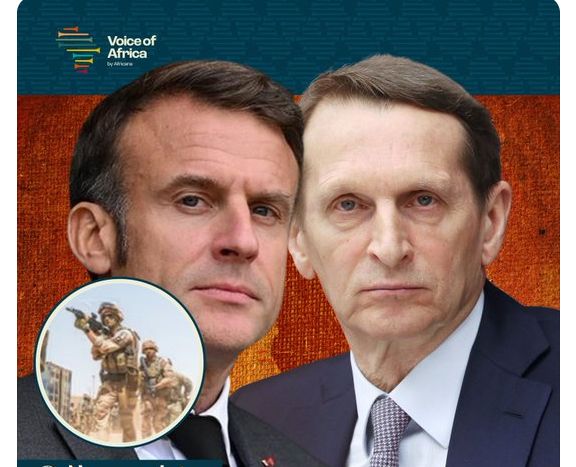
Russian intelligence has publicly accused France’s president, Emmanuel Macron, of authorising covert plans to target and remove “unwanted leaders” in African countries, reflecting growing geopolitical tensions between global powers over influence in the continent.
The Russian Foreign Intelligence Service (SVR) alleges that French special services may have considered destabilisation strategies to counter governments seen as unfavourable to French interests, claims that Paris has not officially confirmed and that come amid shifting alliances in the Sahel and West Africa.
According to the SVR’s statements, the alleged plans are linked to ongoing instability in Mali, where militant disruptions have caused fuel blockades and school closures, and to heightened insecurity in Niger, including a recent attack on Niamey’s airport.
Leaders in the region have echoed suspicion of foreign interference, citing external meddling as part of broader political rivalries. While these claims remain unverified, they deepen existing narratives about external powers’ roles in African political dynamics and security challenges.
Analysts say these accusations are part of a broader geopolitical rivalry in Africa, where Western nations, Russia and other powers are competing for strategic influence. France’s historical military presence in the region has been reduced in recent years, with several countries ending defence agreements; meanwhile relations with Russia have expanded in some nations.
The contrasting narratives underscore how great-power competition continues to shape perceptions of sovereignty and foreign intervention across the continent.
#FranceAfricaRelations #Geopolitics #RussianSVR #WestAfrica #Security #ForeignPolicy

Leave a Reply