



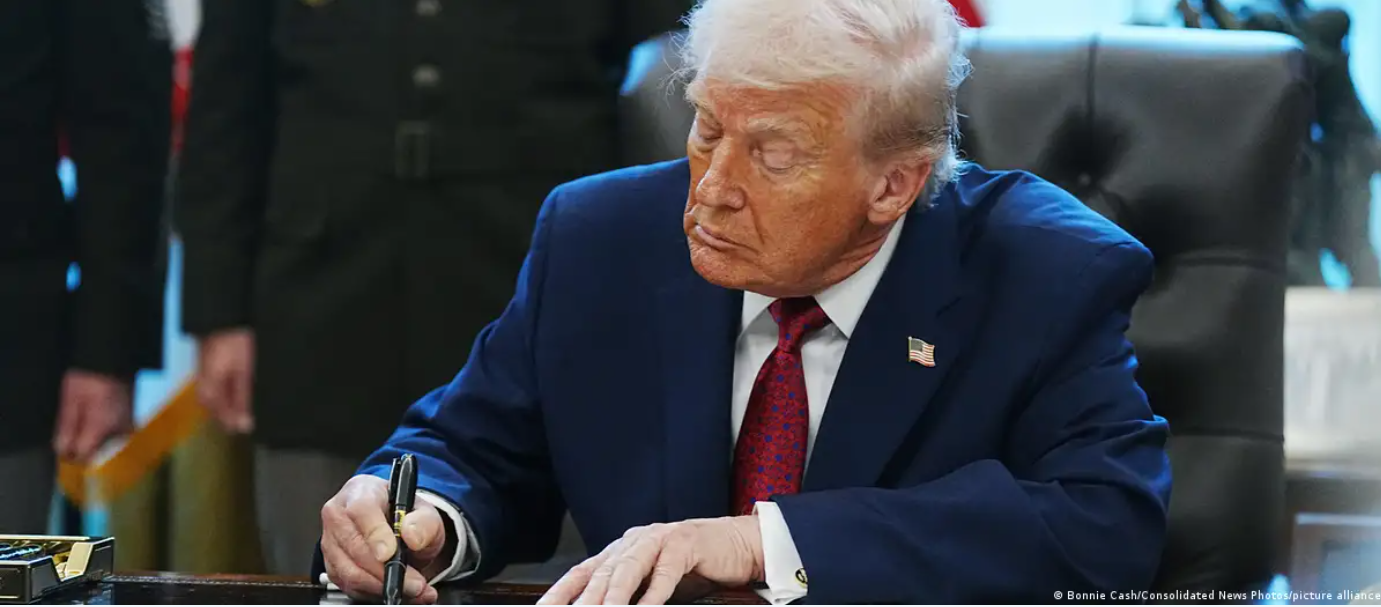
The decision by the United States under President Donald Trump to withdraw from several Africa-focused United Nations bodies marks more than a routine foreign-policy adjustment; it signals a structural shift in how Washington engages with multilateralism and Africa’s development architecture. For decades, U.S. participation in UN agencies has given it outsized influence in shaping norms around governance, aid priorities, peacekeeping, climate policy, and institutional reform across the continent.
From a strategic perspective, the withdrawal creates a vacuum. Multilateral spaces rarely stay empty for long. Reduced U.S. involvement is likely to accelerate the growing influence of China, Gulf states, and emerging middle powers, many of which already use multilateral platforms to advance infrastructure finance, trade alignment, and political soft power in Africa. This may result in more varied alliances for African governments, but it may also lead to more dispersed international coordination.
There are also practical development implications. Africa-focused UN bodies play a quiet but critical role in technical assistance, policy harmonization, data systems, health coordination, and post-conflict stabilization. While funding gaps may be filled by other donors, the loss of U.S. political weight could weaken enforcement mechanisms, accountability frameworks, and global attention around African priorities, especially in areas like governance reform, labor standards, and gender equity.
For Africa itself, this moment presents both risk and agency. The risk lies in becoming more exposed to geopolitical competition without strong multilateral guardrails. The opportunity lies in reshaping global engagement on Africa’s own terms, strengthening regional institutions such as the African Union, AfDB, and regional economic blocs to play a more assertive coordinating role.
Ultimately, the U.S. retreat from Africa-focused UN bodies underscores a broader global reality: multilateralism is fragmenting, not disappearing. African states, investors, and policymakers will need to navigate a more complex, competitive, and transactional global order one where influence is earned through strategy, alignment, and institutional strength rather than legacy partnerships alone.


Leave a Reply