



By John Chola
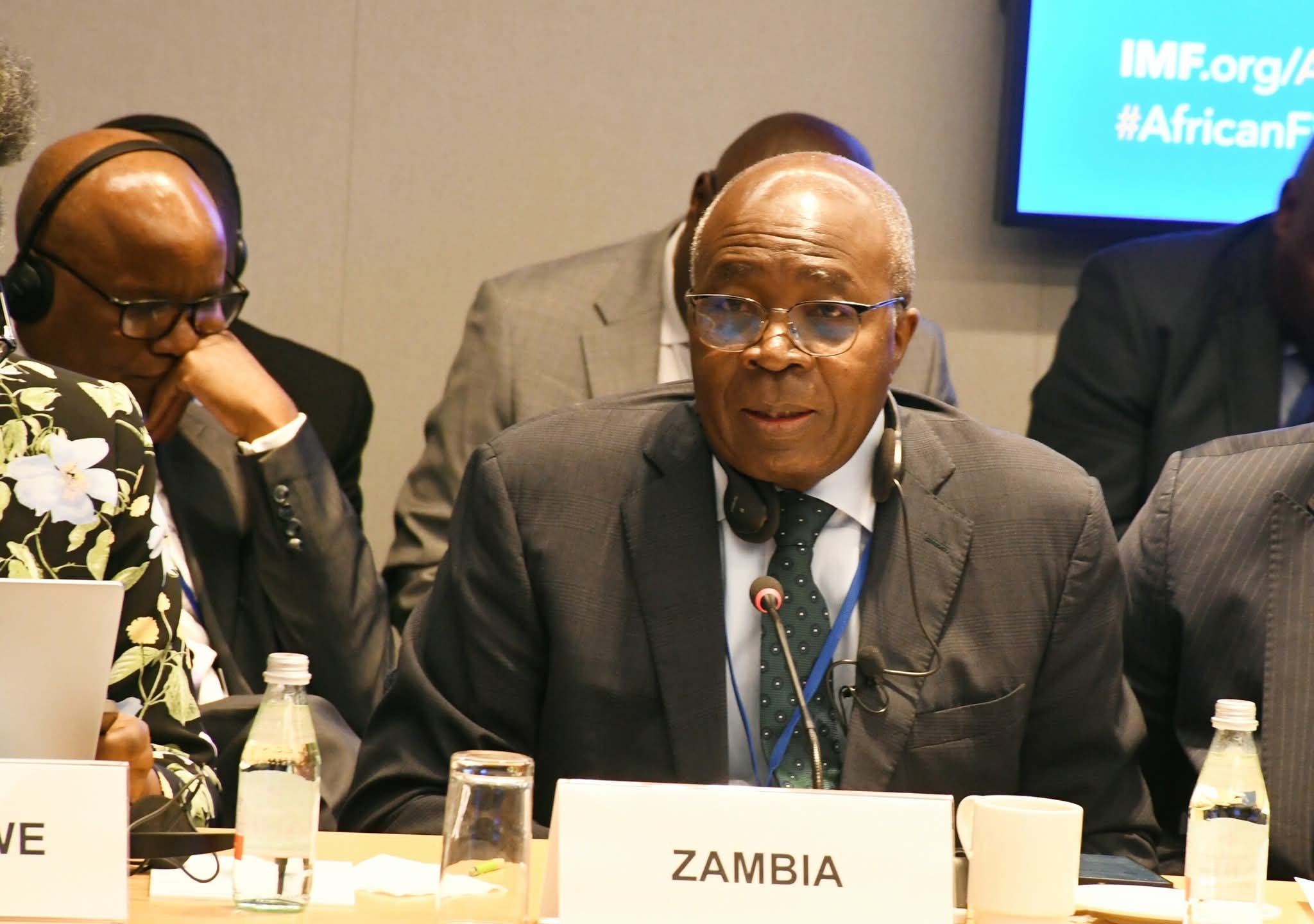
Zambia has sacrificed approximately US$200 million in state revenue to cushion citizens and businesses from war-induced petroleum price spikes, Finance and National Planning Minister Dr. Situmbeko Musokotwane announced at the IMF-World Bank Spring Meetings.
The revenue loss stems from the suspension of excise duty and the zero-rating of VAT on petroleum products a tax relief measure designed to contain domestic inflationary pressures following global energy market turmoil.
Addressing the IMF Africa Fiscal Forum, Dr. Musokotwane said the move reflects a broader need for African nations to use fiscal policy more strategically, moving beyond recurrent shock management toward productivity-enhancing structural reform.
While welcoming potential IMF support, the Minister warned that conflict in the Gulf region poses an acute energy risk for many African economies over the next 12 months, threatening higher production costs and strained fiscal positions.
He argued that domestic reforms remain essential, citing Zambia’s own shift from generalized fuel subsidies to free education and targeted social spending as a model.
Dr. Musokotwane also pointed to digital systems in agricultural support programs that have reduced waste and removed ineligible beneficiaries.
However, his core message went further: Africa’s deeper problem is its shrinking share of global trade despite vast natural resources and a young population.
“Economies that produce more, diversify more, and trade more competitively are better positioned to absorb shocks,” he said.
Dr MUsokotwane challenged the continent to use fiscal policy ambitiously not merely to survive the next crisis, but to build energy resilience, industrial capacity, and lasting prosperity.
“The question,” he concluded, “is whether Africa will continue to respond at the margins, or build stronger economies for the future.”


Leave a Reply