



By Melody Mwala
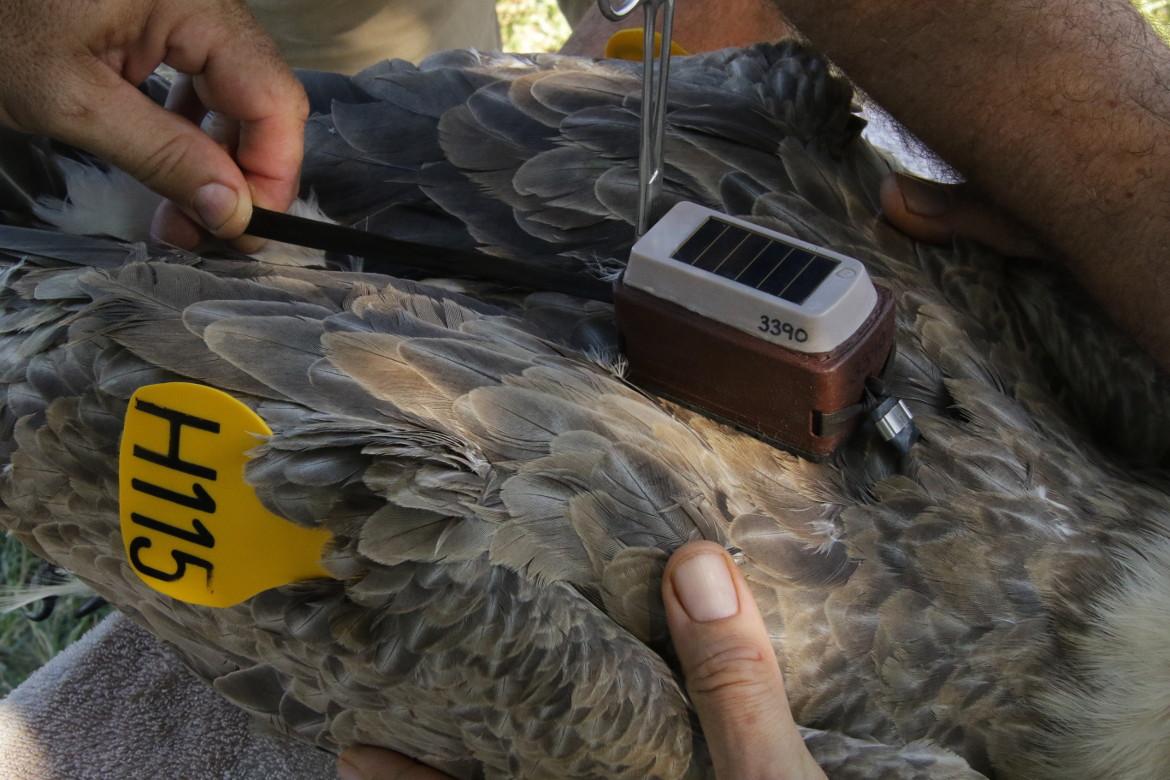
Eight critically endangered white-backed vultures have been fitted with solar-powered satellite transmitters in Luambe National Park, in a move set to strengthen conservation efforts and give scientists valuable insight into the health of Zambia’s Luangwa ecosystem.
According to a statement issued by IFAW Zambia country director Moses Nyirenda the initiative has been delivered through a partnership between the International Fund for Animal Welfare (IFAW), the Department of National Parks and Wildlife (DNPW), the Peregrine Fund, North Carolina Zoo and Nsanga Conservation.
Over the next three to five years, the tags will track the birds’ movements between Luambe, Lukusuzi and the wider Luangwa Valley, revealing where they feed, nest and travel, and helping conservationists better understand the threats they face.
Vulture species across Africa face severe extinction risks driven by poisoning, belief-based use, loss of habitat, and collisions with electrical infrastructure.
Mr Nyirenda said as white-backed vultures are critically endangered, understanding how they move through and use the landscape, and where they breed, allows conservation efforts to focus on the areas that matter most.
“Vultures are highly endangered and threatened, but at the same time vultures indicate the health of the ecosystem. By studying vultures, we will be able to monitor how wildlife species are able to move across the landscapes and therefore look at ecosystem connectivity,” he said.
And Southern Africa programme director at the Peregrine Fund, Corinne Kendall said satellite tracking would also help researchers identify the threats facing vultures across the landscape.
Healthy ecosystems depend on species being able to move freely across connected landscapes. Through Room to Roam, IFAW is working with partners to help secure the habitats and connectivity that wildlife, including vultures, need to thrive.



Leave a Reply