



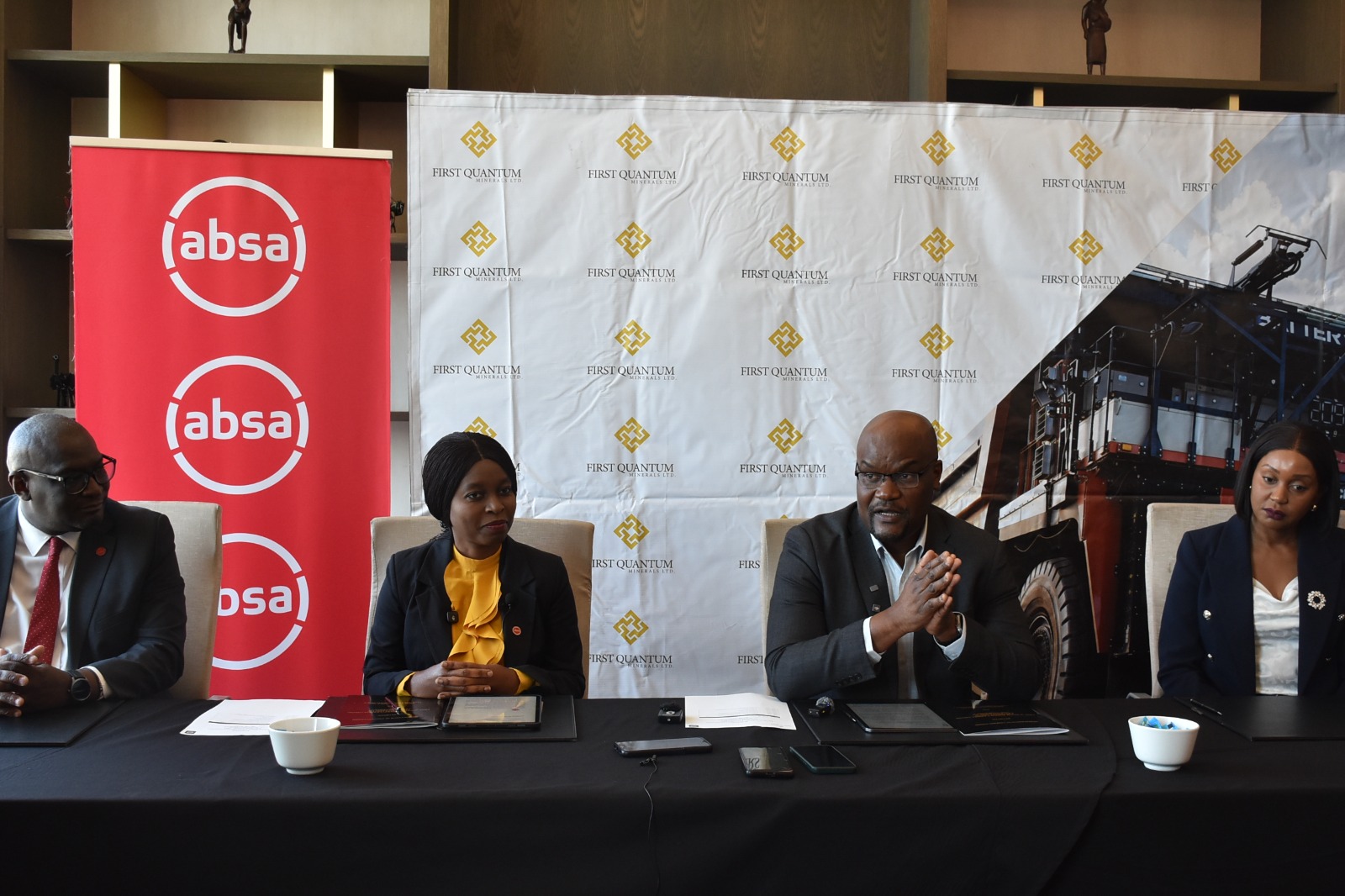
In a major boost for local enterprise, First Quantum Minerals has joined forces with five leading financial institutions, signing a landmark Memorandum of Understanding designed to tear down funding barriers and unlock vital capital for local suppliers.
Driving this game-changing initiative alongside FQM are five premier financial institutions including Zanaco, Absa, Stanbic Bank, FNB Zambia, and Inde Credit – all joining forces to supercharge local procurement and spur economic growth from the ground up.
“I am confident that, together with our banking partners, we are embarking on a bright future – one where the true value generated by mining stays firmly in the hands of local Zambian businesses,” said FQM Country Director Anthony Mukutuma during a vibrant signing ceremony at Lusaka’s InterContinental Hotel.
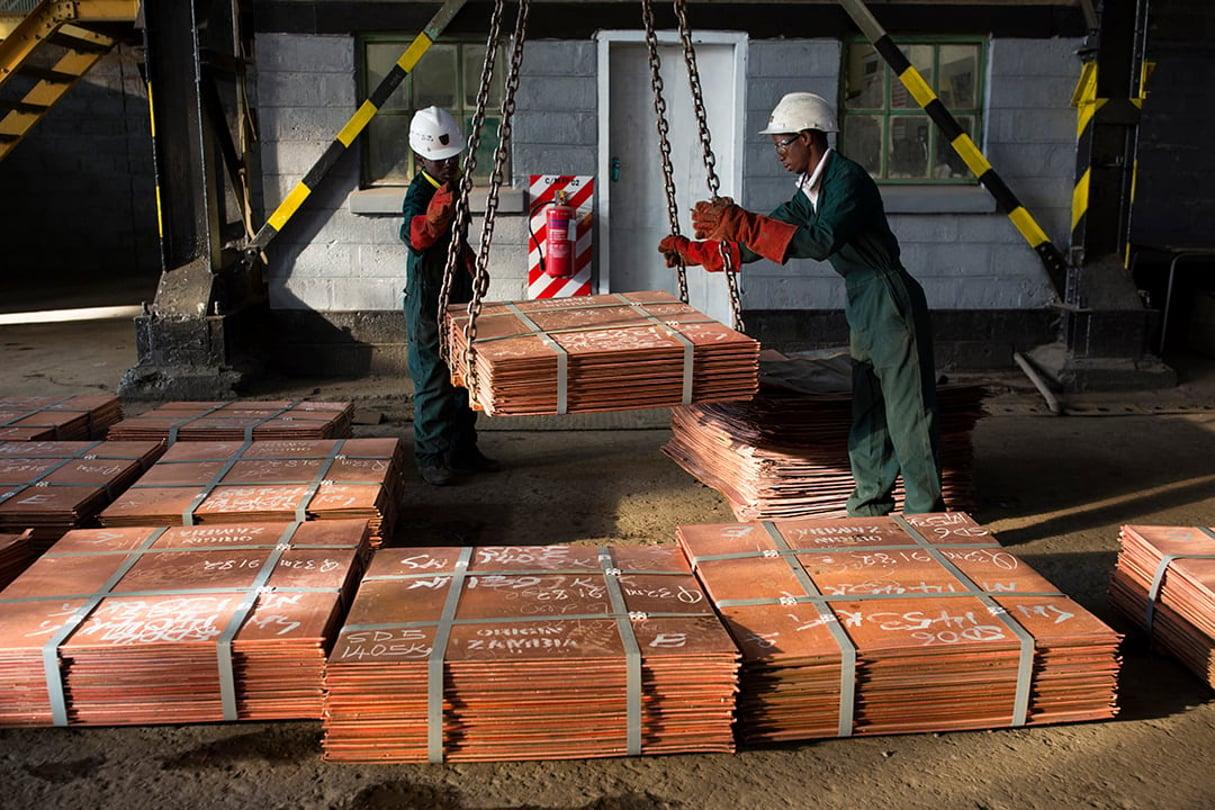
Reflecting on three decades of operation in Zambia, Mukutuma demonstrated FQM’s extraordinary trajectory, scaling copper output from 10,000 metric tonnes annually in 1996 to over 400,000 metric tonnes in Zambia alone.
He emphasized that following the enactment of SI 68 of 2025 on Local Content, the true economic value of the mining sector is set to be realized across the entire supply chain.
“Last year as FQM alone, we put into the Zambian economy way over $2Billion in the mining value-chain, a significant amount of money, a potential income that can flow into Zambian local companies.”
Speaking at the same event, Zanaco CEO Mukwandi Chibesakunda highlighted access to finance as a critical barrier for local enterprises. She noted that while many SMEs possess the technical expertise, drive, and ambition to join the mining supply chain, they struggle to secure the capital needed to acquire equipment, fulfill contracts, and scale operations.
Chibesakunda noted that timely and affordable financing empowers businesses to invest in assets, build operational capacity, manage cash flow, and deliver on contracts efficiently and sustainably.
“Through this local content financial initiative, Zananco will provide local suppliers and contractors with access to financing solutions designed to support their business growth,” she said.
Absa Bank Zambia Acting Managing Director Venus Hampinda commended FQM for its valuable partnership, highlighting its role in driving the growth and sustainability of local businesses across the mining sector.
Hampinda added that as Zambia’s economy grows, local businesses must be equipped to participate meaningfully in the resulting opportunities.
“Absa will leverage on our financial strategy, which is what we are best known for, the digital capabilities that we can offer, and supplier development programs, because we also need to make sure that we’re building sustainable businesses. We want things that we bring to ensure SMEs grow into medium-sized large corporations, for them to take on a bigger share of our contribution to the mining sector.”
Welcoming the development, Stanbic Bank Acting Chief Executive Officer Helen Lubamba said the successful partnership reflects the bank’s commitment to driving financial innovation, unlocking growth for local enterprises, and strengthening Zambia’s industrial base.
“This partnership is about turning opportunity into tangible economic participation for Zambian businesses,” Lubamba said.
Meanwhile, FNB Zambia Commercial Banking Executive Director Kabanda Lilanda emphasized that the MoU reflects a shared commitment between FNB Zambia and FQM to unlock new opportunities for local enterprises and drive their active participation in the country’s mining value chain.
“FNB Zambia is committed to work with FQM to provide innovative financial solutions that enable qualifying suppliers to access working capital and trade financing costs required to fulfill procurement orders and scale operations by connecting finance to opportunities,” Lilanda said.
Inde Credit CEO Peter Bwalya expressed optimism about taking a lead role among non-bank lenders, emphasizing the firm’s commitment to setting the tone for financial access and driving growth across the supply chain.
“We see ourselves as complementary that feed into the value chain for greater sustainability of the local enterprises that feed into the local SME economic revolution,” Bwalya said.
Leave a Reply