



Africa’s vast reserves of critical minerals are attracting unprecedented global attention as demand accelerates for the raw materials that power artificial intelligence, renewable energy technologies and electric vehicles. Copper, cobalt, lithium, graphite, nickel and rare earth elements have become central to the world’s industrial transformation, positioning Africa as one of the most strategically important regions in the global economy. As governments and companies compete to secure reliable supplies, investment across the continent’s mining sector continues to gather momentum.
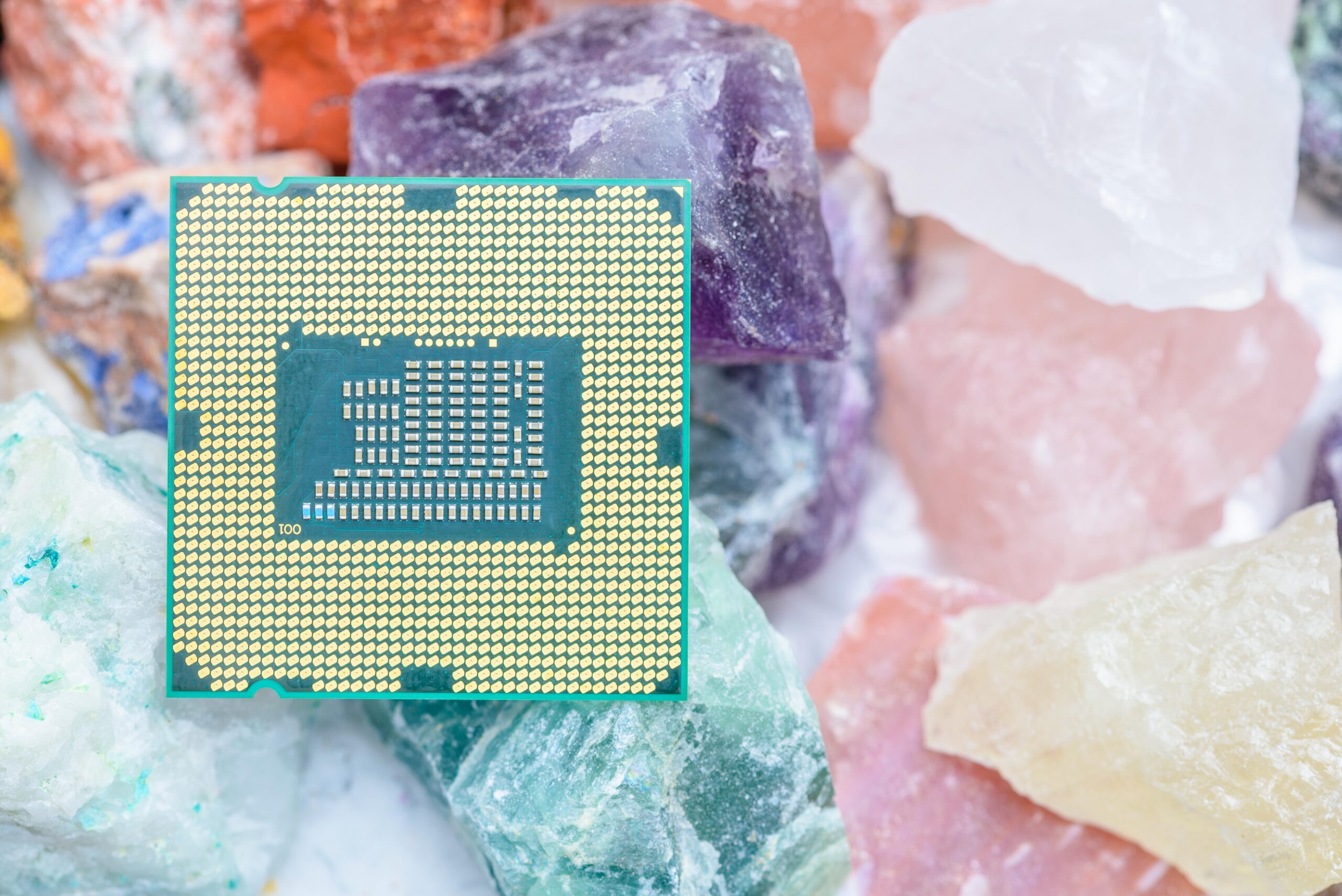
The rapid expansion of artificial intelligence is adding a new dimension to global mineral demand. Large scale data centres require substantial quantities of copper for electrical systems, while semiconductors, advanced electronics and battery storage technologies depend on a wide range of critical minerals. At the same time, the global transition to clean energy is increasing demand for electric vehicle batteries, solar panels, wind turbines and modern electricity grids, all of which rely heavily on mineral intensive supply chains.
Africa possesses a significant share of the world’s known reserves of many of these minerals. The Democratic Republic of the Congo remains the leading producer of cobalt, Zambia is strengthening its position as one of the world’s major copper producers, while countries including Namibia, Botswana, Zimbabwe and Madagascar are attracting growing investment in lithium, graphite, rare earth elements and other strategic minerals. This growing resource base is reshaping international investment priorities as countries seek to diversify supply chains and reduce dependence on a limited number of producers.
Governments across Africa are increasingly looking beyond mineral extraction to capture greater economic value through local processing, refining and manufacturing. New mining policies are promoting value addition, domestic beneficiation and stronger local participation in mining supply chains. These reforms are intended to create jobs, stimulate industrialisation and ensure that mineral wealth contributes more directly to long-term economic development.
For Zambia, the growing demand for critical minerals aligns with the government’s ambition to increase annual copper production to three million tonnes while expanding exploration for other strategic minerals. Investments in transport infrastructure, geological surveys, energy generation and local content reforms are positioning the country to attract additional international investment and strengthen its competitiveness within global critical mineral supply chains.
Industry analysts expect demand for critical minerals to remain strong for decades as artificial intelligence, electrification and decarbonisation continue to reshape the global economy. While challenges such as financing, infrastructure and environmental management remain, Africa is increasingly viewed as an indispensable partner in meeting future global mineral demand.
As competition for critical minerals intensifies, the continent’s role is evolving from that of a resource supplier to a strategic participant in the industries driving technological innovation and the global energy transition. For resource-rich countries such as Zambia, this presents an opportunity not only to increase exports but also to accelerate industrial development and create greater long term economic value from their natural resources.


Leave a Reply