



By John Chola
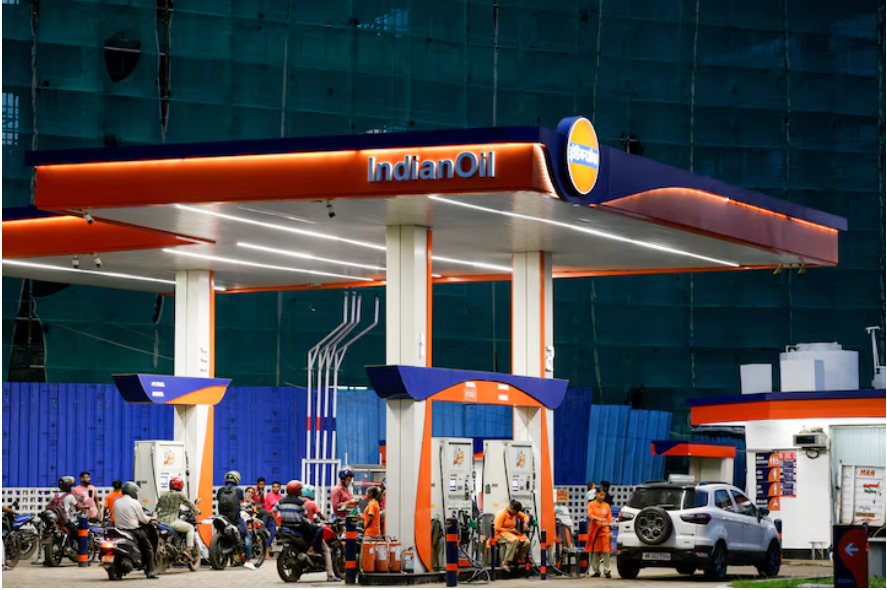
Zambia’s Energy Regulation Board (ERB) on Sunday stunned markets by holding petrol prices steady at K27.15 per litre, despite surging international crude costs fueled by escalating geopolitical turmoil across the Middle East, even as it slashed diesel and kerosene prices in a deeply split review.
In a move that defied regional trends, the ERB announced that petrol would remain unchanged, while diesel dropped by K1.88 to K32.11 per litre, kerosene fell by K1.14 to K33.91, and jet A-1 declined by K1.30 to K36.68.
The decision comes as global oil benchmarks swing wildly following renewed attacks on shipping lanes and production facilities in the Gulf region.
“During the review period, the price of petrol continued to rise, driven by continued geopolitical tension in the Middle East,” the ERB said, noting that petrol’s average price jumped from US$119.63 to US$124.24 per barrel.
Meanwhile, diesel and kerosene prices plunged, diesel from US$195.59 to US$155.64, and kerosene from US$196.56 to US$155.45, creating an unprecedented divergence.
The Zambian kwacha’s slight appreciation from K18.97 to K18.56 against the US dollar helped cushion part of the blow, but industry insiders called the petrol freeze “politically impossible to sustain,” warning that domestic marketers could face crippling under-recoveries.
“Holding petrol prices while import costs rise is a recipe for supply shortages. Stations may start hoarding or rationing,” warned one Lusaka-based fuel economist, speaking on condition of anonymity.
The ERB insists the national uniform pump prices will take effect at midnight May 31 and remain until the next review.
But with Middle East chaos deepening and no ceasefire in sight, analysts say Zambia’s fragile equilibrium may shatter within weeks.


Leave a Reply