



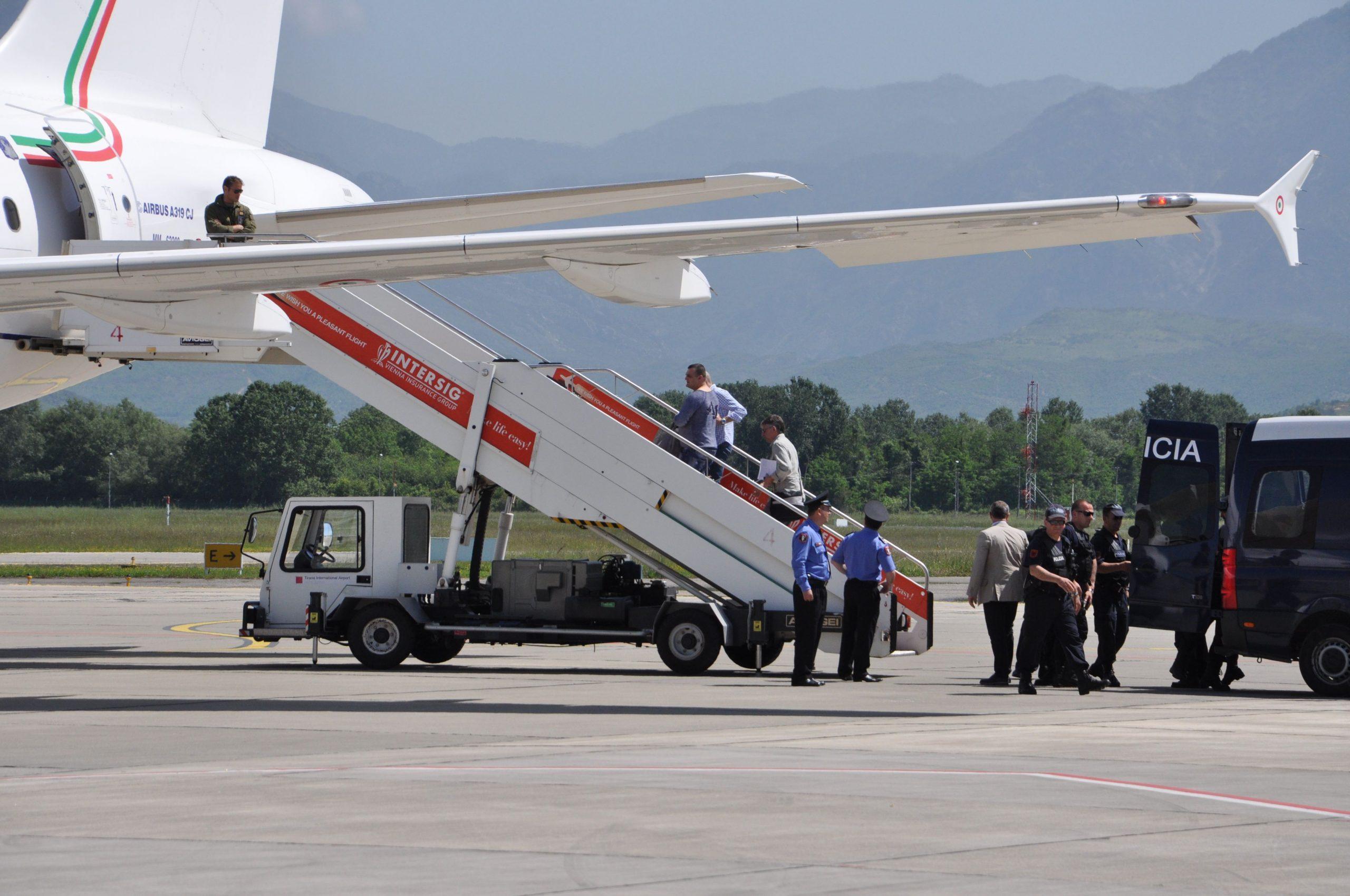
Somalia has extradited one of its citizens to the United States to face terrorism-related charges, underscoring the growing security partnership between Mogadishu and Washington. The suspect was transferred to an FBI team led by Director Kash Patel following allegations that he played a role in supporting the Islamic State (ISIS) through recruitment, financing and facilitating extremist activities. The extradition reflects continued efforts by both governments to disrupt international terrorist networks operating across East Africa and beyond.
According to US authorities, the suspect is expected to appear before a federal court to answer charges relating to providing material support to a designated terrorist organisation. Prosecutors allege that his activities contributed to the operations of ISIS by assisting recruitment efforts and facilitating the movement of individuals connected to the extremist group. If convicted, he could face significant penalties under US counterterrorism laws.
Somali officials said the extradition demonstrates the country’s commitment to combating terrorism and strengthening international judicial cooperation. Somalia has spent years confronting insurgent groups, particularly Al Shabaab, while also addressing the emergence of ISIS-affiliated networks in parts of the country. Authorities have increasingly worked alongside international partners to improve intelligence sharing, law enforcement cooperation and coordinated military operations aimed at weakening extremist organisations.
The United States remains one of Somalia’s key security partners, providing military assistance, intelligence support and capacity building to Somali security institutions. American agencies, including the FBI and the Department of Justice, have expanded cooperation with African governments in recent years to investigate terrorism financing, disrupt recruitment networks and prosecute suspects whose activities have international implications.
The extradition also highlights the growing use of international legal mechanisms in counterterrorism operations. Rather than relying solely on military action, governments are increasingly pursuing criminal prosecutions against individuals accused of supporting extremist organisations. This approach is intended to strengthen accountability while reinforcing the rule of law in the global fight against terrorism.
Security analysts note that terrorist groups continue to adapt by operating across borders, making international cooperation essential. Intelligence sharing, extradition agreements and joint investigations have become increasingly important tools for governments seeking to dismantle transnational extremist networks that exploit fragile states and regional instability.
The latest extradition serves as a reminder that counterterrorism efforts increasingly extend beyond the battlefield into international law enforcement and judicial cooperation. As extremist threats evolve, partnerships between African governments and global security agencies are expected to play an increasingly significant role in protecting regional and international security.


Leave a Reply