



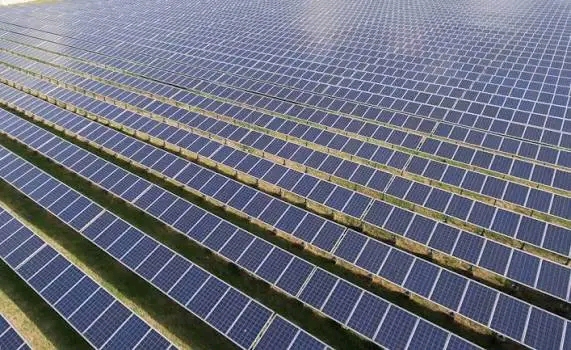
Zambia has taken another major step toward strengthening its electricity sector with the commissioning of the 100MW Chisamba II Solar Power Plant, increasing the total capacity of the Chisamba Solar Complex to 200MW.
Officially inaugurated by President Hakainde Hichilema, the US$70 million project represents one of the country’s largest renewable energy investments and reinforces the government’s strategy of diversifying electricity generation away from heavy dependence on hydropower.
The additional 100MW of capacity comes at a critical time for Zambia’s energy sector. Recent droughts have reduced water levels at key hydroelectric stations, exposing the vulnerability of an electricity system that has historically relied on hydropower for most of its generation. By expanding utility-scale solar capacity, Zambia is building a more balanced and resilient energy mix capable of meeting rising demand from households, businesses and the mining industry while reducing the risk of future power shortages.
Speaking during the commissioning ceremony, President Hichilema said every additional megawatt translates into more reliable electricity for homes, greater productivity for businesses and increased employment opportunities. He also noted that the successful completion of the project demonstrates the government’s commitment to delivering strategic infrastructure that supports long-term economic development.
The Chisamba Solar Complex has become one of Zambia’s flagship renewable energy projects. Developed to strengthen national energy security, the facility complements ongoing investments in independent power production, transmission infrastructure and private sector participation in electricity generation. The expansion is expected to support industrial growth, particularly in mining, manufacturing and agriculture, sectors that require reliable power to remain competitive.
Beyond increasing electricity supply, the project sends a strong signal to investors about Zambia’s commitment to clean energy development. Demand for renewable energy infrastructure continues to grow across Africa as governments seek to improve energy access, reduce carbon emissions and attract capital into sustainable infrastructure. Zambia’s continued investment in solar power positions the country to benefit from this global transition while improving domestic energy reliability.
The commissioning of Chisamba II also aligns with Zambia’s broader economic objectives, including expanding mining production, promoting industrialisation and strengthening the country’s position as a competitive investment destination. Reliable electricity remains one of the most important foundations for economic growth, and projects such as Chisamba II are expected to play a central role in supporting these ambitions over the coming years.



Leave a Reply